2026 Top Trends in Glued Down Vinyl Flooring Innovations?
Glued Down Vinyl Flooring is gaining momentum in the flooring industry. Its market is projected to grow significantly, driven by both residential and commercial needs. According to a recent report from Grand View Research, the global vinyl flooring market size is expected to reach USD 14 billion by 2026. This growth reflects innovations that enhance durability and sustainability.
Recent trends indicate a shift towards eco-friendly materials. Manufacturers focus on offering products that reduce environmental impacts. Many companies now use recycled materials in production. This commitment is crucial as consumers become more conscious of their choices. However, challenges remain in balancing performance and sustainability.
In 2026, we anticipate exciting innovations in glued down vinyl flooring. New technologies may improve installation and maintenance. However, the industry must address concerns regarding long-term performance. As trends evolve, companies will need to adapt quickly to meet changing expectations. Ensuring quality while embracing innovation is essential for future success in this competitive market.

Emerging Materials in Glued Down Vinyl Flooring Innovations
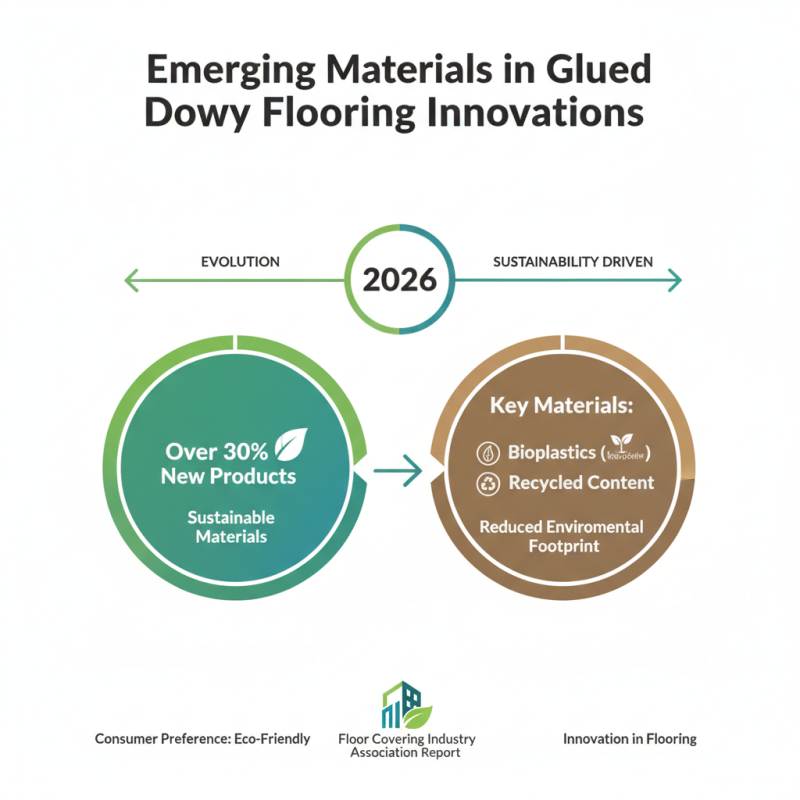
In 2026, glued down vinyl flooring is evolving, driven by innovative materials. A recent report from the Floor Covering Industry Association highlights that over 30% of new products feature sustainable materials. This shift is crucial as consumers increasingly favor eco-friendly options. Manufacturers are utilizing bioplastics and recycled content, promoting a smaller environmental footprint.
Another notable trend is the development of enhanced durability through advanced materials. A study by the Resilient Floor Covering Institute indicates that 85% of professionals prefer vinyl flooring for high-traffic areas due to its resilience. New formulations are emerging, emphasizing scratch resistance and moisture mitigation. These innovations improve performance while retaining aesthetic appeal.
However, the industry faces challenges as well. Not all products labeled as "green" meet the same standards. There can be gaps in transparency, leading to potential misinformation for consumers. It's vital for both manufacturers and buyers to seek reliable certifications to ensure the integrity of materials. Continued education and collaboration will be key in addressing these complexities.
Sustainable Practices in Vinyl Flooring Production
Sustainable practices in vinyl flooring production are essential for a greener future. In recent years, the vinyl flooring industry has begun to focus on eco-friendly production methods. This includes the use of recycled materials and reducing waste during manufacturing. By choosing sustainably produced options, consumers can make a positive impact on the environment.
Tips: When selecting vinyl flooring, check for certifications indicating eco-friendly practices. Look for products made from recycled content. This helps minimize environmental impact.
Furthermore, innovations in adhesive technology are enhancing the sustainability of glued down vinyl. Many manufacturers are now utilizing low-VOC adhesives. These options not only improve air quality but also reduce harmful emissions during installation. It's important to inquire about the adhesives used when purchasing flooring.
Tips: Maintain good ventilation during installation for better air quality. Allow fresh air to circulate. This can mitigate any temporary odors from the flooring.
Emphasizing innovative and sustainable methods is crucial for the future of vinyl flooring. Continued research and development in this area will lead to even more environmentally friendly choices. Ultimately, consumers play a valuable role in driving this change.
2026 Top Trends in Glued Down Vinyl Flooring Innovations
This chart illustrates the top trends in glued down vinyl flooring innovations in 2026, focusing on sustainable practices in vinyl flooring production. The data represents the estimated percentage of adoption for each trend among manufacturers.
Advancements in Installation Techniques for Vinyl Flooring
The landscape of vinyl flooring is evolving, especially in installation techniques. New methods are making it easier and faster to lay down glued down vinyl flooring. This is a significant shift for both homeowners and professionals. The focus is on efficiency without compromising quality.
One innovation is the use of pressure-sensitive adhesives. These allow for easier repositioning during installation. This method reduces waste and the need for extensive tools. Additionally, improved underlayment options are enhancing soundproofing and comfort underfoot. Many find that these advancements address long-standing issues in traditional methods.
However, challenges remain. Some may feel unsure about new techniques, leading to inconsistent results. This highlights the need for further education and training in the industry. As trends develop, it is essential to share knowledge and experience among installers. Ultimately, open discussions can pave the way for better practices and enhanced customer satisfaction.
2026 Top Trends in Glued Down Vinyl Flooring Innovations
| Trend |
Description |
Advancements in Installation Techniques |
Benefits |
| Eco-Friendly Materials |
Increased use of recycled and sustainable materials. |
Quicker installation with lower environmental impact. |
Reduced carbon footprint and improved indoor air quality. |
| Click-Lock Technology |
Snap-together planks that require no adhesive. |
Simplified installation process with less mess. |
Faster installs and easier to replace individual planks. |
| Digital Printing Technology |
High-definition images for realistic designs. |
Enhanced designs leading to more customization options. |
Increased aesthetic appeal with tailored designs. |
| Moisture Resistant Features |
Improved waterproof properties for high-humidity areas. |
Quick setting glues that reduce curing time. |
Longer lifespan in challenging environments. |
| Heat and Sound Insulation |
Advanced insulation materials incorporated into vinyl layers. |
New methods for adding insulation during production. |
Enhanced comfort and energy efficiency. |
Design Trends Influencing Glued Down Vinyl Flooring Styles
The glue-down vinyl flooring market is seeing significant shifts in design trends. A recent report indicates that 56% of consumers prioritize aesthetics when selecting flooring materials. This demand for stylish options is pushing manufacturers to innovate continuously. Textured surfaces are becoming popular, as they create a more authentic appearance. Natural wood and stone looks dominate the preferences, with 64% of buyers favoring these styles.
Color trends are also evolving. Earthy tones, like warm browns and soft grays, are leading the way. According to industry surveys, 73% of designers believe that color influences overall room ambiance. This connection between color and mood invites deeper reflection on how flooring can transform spaces. However, balancing trends with practicality remains a challenge. Some consumers may overlook the importance of durability and maintenance when choosing trendy designs.
Furthermore, as sustainability becomes a priority, eco-friendly materials are gaining traction. Reports suggest that 42% of homeowners are willing to pay more for sustainable flooring options. This trend is reshaping manufacturing processes and material sourcing. Yet, the industry must keep up with consumer expectations for style without compromising eco-friendliness. The intersection of design and sustainability poses intriguing questions about the future of glued down vinyl flooring.
Technological Integration for Enhanced Performance in Vinyl Flooring
The landscape of vinyl flooring is rapidly evolving, particularly with technological integrations that enhance performance. Studies indicate that the global vinyl flooring market is projected to grow by 6% annually, driven by innovative features. One notable trend is the use of smart technology in glued down vinyl flooring, enabling real-time monitoring of moisture levels and wear patterns. This innovation allows for timely maintenance, prolonging the life of the flooring.
Furthermore, acoustic performance is another area seeing major advancements. New adhesives are being developed that reduce sound transmission. According to a report from the Flooring Research Institute, improved acoustic properties can cut noise levels by up to 30%. This is becoming increasingly important in urban settings where sound disturbances can impact comfort and productivity.
However, realizing these innovations comes with challenges. Manufacturers face hurdles in balancing eco-friendliness with high performance. Some vinyl products still rely on materials that may not meet sustainability goals. Additionally, integrating advanced tech solutions can lead to higher upfront costs, which could deter budget-conscious consumers. As the industry moves forward, these factors need careful consideration.