Top Benefits of Homogeneous Vinyl Floor for Modern Interiors?
The rising trend of modern interiors calls for flooring solutions that blend aesthetics with functionality. One such option gaining traction is the Homogeneous Vinyl Floor. According to the Global Vinyl Flooring Market report by ResearchAndMarkets, the market is expected to grow significantly, driven by its durability and adaptability. This flooring type is particularly valuable in high-traffic areas, easily withstanding wear and tear.
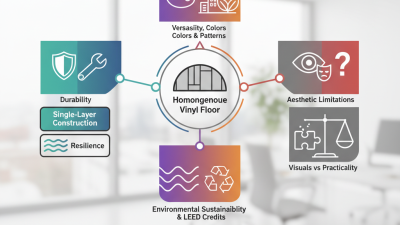
Homogeneous Vinyl Floors are crafted from a single layer of vinyl, offering consistent color and pattern throughout. This design provides unmatched resistance to stains and scratches, making it perfect for homes and commercial spaces alike. Notably, the National Association of Home Builders highlights that these floors are not only easy to maintain but also provide a healthier indoor environment by reducing allergens.
Despite its many advantages, some critics point out that the installation process can be tricky for DIY enthusiasts. Moreover, if not maintained properly, the floor can lose its shine. Industry experts recommend professional installation and regular upkeep to maximize the benefits of Homogeneous Vinyl Floors. Addressing these concerns while leveraging the benefits can lead to truly modern and sophisticated interiors.
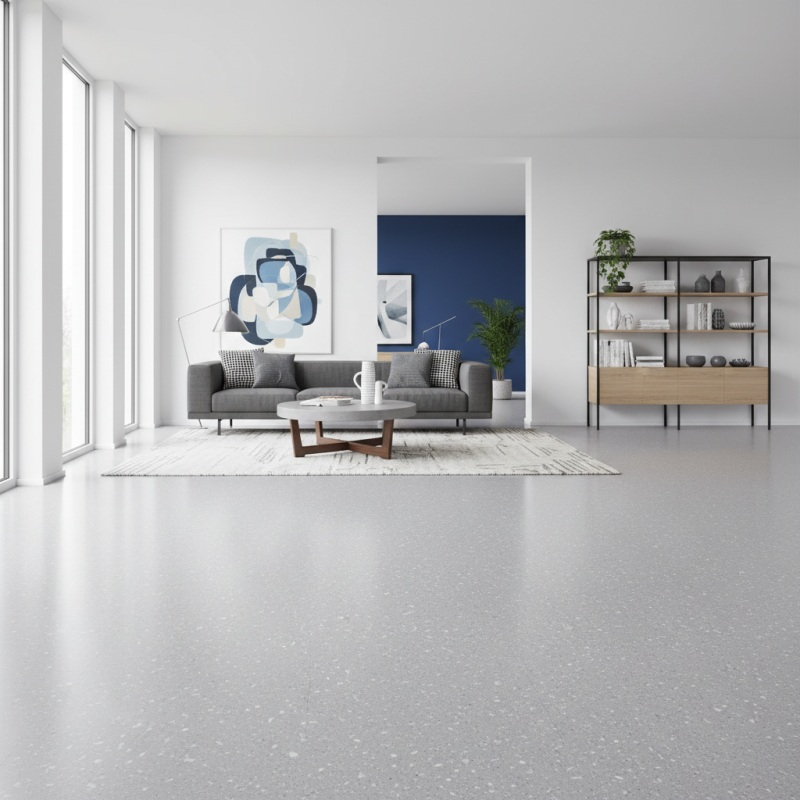
Key Features of Homogeneous Vinyl Flooring in Modern Design
Homogeneous vinyl flooring has emerged as a popular choice for modern interiors, thanks to its unique features. This type of flooring consists of a single layer of vinyl material, which provides durability and aesthetic versatility. According to a recent industry report, 30% of designers prefer homogeneous vinyl over traditional flooring options for urban spaces. Its seamless design reduces the risk of dirt accumulation, making it a practical choice for high-traffic areas.
In addition, homogeneous vinyl flooring offers impressive adaptability in various design themes. With a wide range of colors and patterns, it can easily complement contemporary, minimalist, or even industrial designs. Research shows that 45% of interior designers are incorporating this flooring type for its modern look and ease of maintenance. It resists scratches and stains, but it's essential to note that it can still be susceptible to discoloration from harsh chemicals.
Another notable feature is its acoustical properties. Homogeneous vinyl effectively dampens sound, which is crucial for creating serene environments in both residential and commercial settings. However, there are concerns about the environmental impact of vinyl production. Awareness of sustainability is growing, and many consumers are seeking eco-friendly options. Balancing style, functionality, and environmental responsibility presents ongoing challenges in the flooring industry.
Durability and Maintenance Advantages of Homogeneous Vinyl Floors
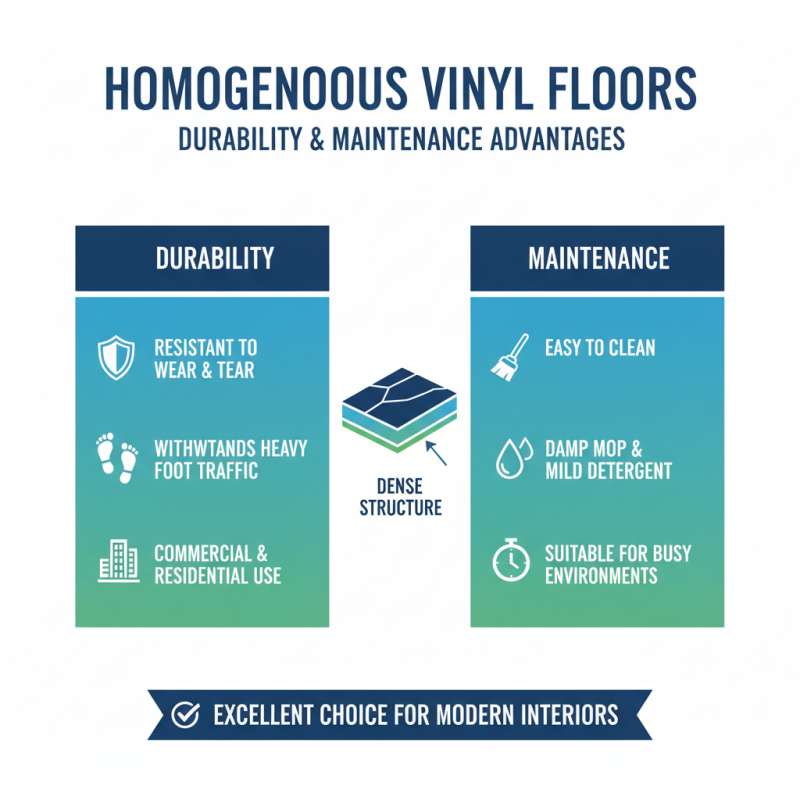
Homogeneous vinyl floors are an excellent choice for modern interiors due to their durability and low maintenance requirements. These floors have a dense structure that makes them resistant to wear and tear. They can withstand heavy foot traffic, making them suitable for commercial and residential spaces alike. Cleaning is straightforward, requiring just a damp mop and mild detergent. This ease of maintenance appeals to busy households and commercial environments.
The design versatility of homogeneous vinyl also adds to its appeal. Available in various colors and patterns, it can complement any interior style. These floors resist stains and spills effectively, making them more practical than many other flooring options. Some users may find that the surface can feel colder than carpet; however, using area rugs can solve this issue. Although it is a durable option, accidents can happen. Scratches may occur, especially in high-traffic areas.
Ultimately, professionals often recommend periodic inspections to maintain its appearance and longevity. With the right care, homogeneous vinyl floors can truly enhance modern interiors while offering practical benefits. Their resilience combined with easy maintenance makes them a smart choice for any space.
Aesthetic Versatility: Colors and Textures in Homogeneous Vinyl
When it comes to modern interiors, homogeneous vinyl flooring stands out for its aesthetic versatility. It comes in a wide array of colors and textures. This variety allows homeowners to select a design that fits perfectly with their decor style. For instance, a sleek gray tone can enhance a minimalist look, while a vibrant blue can energize a space. The choices are vast, making it easy to match any vision.
Textures, too, play a significant role. Homogeneous vinyl can mimic natural materials like wood or stone. This feature helps create a warm and inviting environment without the upkeep associated with genuine materials. However, not all textures are equal. Some may look too artificial, leading to a less authentic feel. It's essential to choose wisely to avoid a disjointed aesthetic.
Durability remains a critical advantage. Homogeneous vinyl is resistant to scratches and moisture. This resilience allows it to maintain its appearance over time. However, its surface can sometimes become dull. Regular cleaning and maintenance may be necessary to keep it looking fresh. Balancing aesthetics with practical upkeep is vital in interior design.
Cost-Effectiveness: Value of Homogeneous Vinyl Flooring Options
Homogeneous vinyl flooring is gaining traction in modern interiors. One key factor is its cost-effectiveness. This type of flooring offers a durable option at a lower price point. Many homeowners appreciate that it combines aesthetic appeal with practicality. It resists wear and tear, which makes it a wise investment for busy spaces.
Additionally, homogeneous vinyl flooring requires minimal maintenance. This characteristic can lead to long-term savings on cleaning and upkeep. Its easy installation process also reduces labor costs, making it an attractive choice for renovations. Despite its affordability, some people worry about its longevity. With proper care, these floors can last for years.
There are various designs available, so customization is possible. Homeowners can choose colors and textures that fit their style. However, people sometimes overlook the environmental impact of flooring materials. It's crucial to consider sustainability when selecting products. This awareness can lead to more informed choices in the long run.
Sustainability and Eco-Friendliness of Homogeneous Vinyl Materials
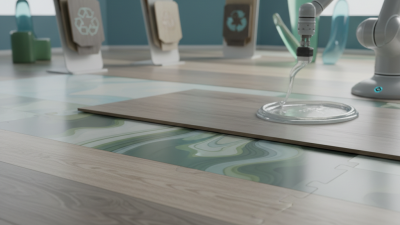
Homogeneous vinyl floors are gaining popularity for modern interiors due to their sustainability and eco-friendliness. Made from recyclable materials, they reduce environmental impact significantly. Many manufacturers emphasize using non-toxic components, creating a safer indoor environment for families.
The durability of homogeneous vinyl material also contributes to its eco-friendly appeal. It requires less frequent replacement, which lowers waste in landfills. Plus, its energy-efficient production process helps to minimize carbon emissions. However, some installations can lead to issues like improper alignment, which may require careful planning and execution.
It's essential to consider the lifecycle of the products we use. While homogeneous vinyl offers many benefits, ensuring responsible disposal can be a challenge. Opting for materials that align with sustainability goals is important, yet the complexity of recycling processes needs attention. Embracing these materials in design can enhance aesthetics and functionality while promoting a greener future.