7 Best Vinyl Nosing for Stairs for Global Buyers

Choosing the right Vinyl Nosing For Stairs is more than matching a color to a flooring sample. It is a practical safety decision involving traction, edge visibility, dimensional stability, installation quality, and long-term maintenance. The World Health Organization reports that falls cause approximately 684,000 deaths worldwide each year, with adults over 60 facing the greatest risk. Although this figure covers all types of falls, it reminds buyers that small stair details deserve serious attention.

Market research also shows resilient flooring remains a major global category, supported by demand for durable, low-maintenance surfaces in homes, offices, schools, hotels, and transport facilities. However, a stair nosing should not be selected from market popularity alone. ASTM F1637, which addresses safe walking surfaces, emphasizes reasonably slip-resistant flooring and proper maintenance. Buyers should therefore review the nosing’s surface texture, contrast, profile dimensions, chemical resistance, and compatibility with the existing vinyl system. Local building requirements may differ.

Real installation experience exposes the difficult part. A product can look strong in a catalog yet fail when the stair edge is dusty, uneven, damp, or poorly bonded. That detail is easy to underestimate. Reliable suppliers should provide technical data sheets, installation instructions, batch information, and test documentation from recognized laboratories. They should also explain whether the product suits straight, curved, commercial, or residential stairs.

This guide compares seven widely relevant options for global buyers. It considers safety, appearance, installation practicality, durability, and supplier transparency. No product is perfect. The best choice depends on traffic levels, climate, substrate condition, and maintenance habits. A careful comparison can prevent an attractive but unsuitable purchase.
7 Best Vinyl Nosing for Stairs for Global Buyers

What Vinyl Stair Nosing Is and How It Protects Stair Edges

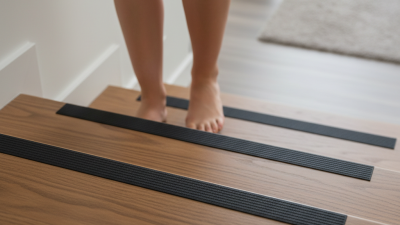
Vinyl stair nosing is a shaped trim fitted over the front edge of a stair tread. It covers exposed flooring cuts and helps shield the edge from scuffs, chips, and repeated foot traffic. This small strip takes frequent impact from shoes, bags, and vacuum cleaners. Small detail. Big difference.

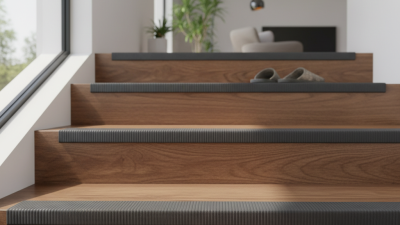
A rounded or ribbed profile can also provide a more defined footing, though no trim makes stairs slip-proof. Some designs create a visible contrast with the tread, making the step edge easier to notice. Check that the profile suits the stair’s shape and the floor covering’s thickness. A poor fit can leave a raised lip or an awkward gap. It is easy to focus on appearance and overlook how firmly the nosing must bond to the substrate.

Tips: Measure each tread before cutting; stairs may vary slightly. Remove dust and grease, then use an adhesive approved for the nosing and floor materials. Follow the installation instructions and allow the recommended curing time before use. If an edge feels loose, fix it promptly. Vinyl trim protects the stair, but careful fitting does much of the work.

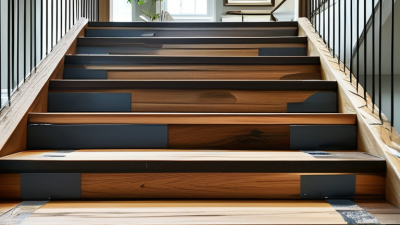
Types of Vinyl Stair Nosing for Different Stair Designs

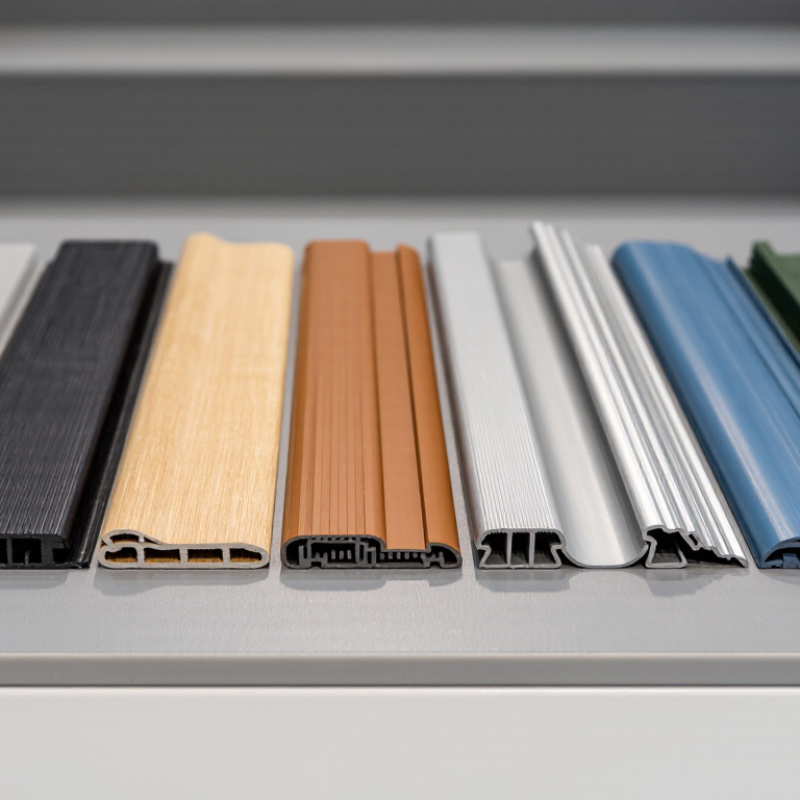
Vinyl stair nosing comes in several profiles, and the right shape depends on the stair edge. Square-edge nosing creates a crisp line on modern, box-shaped treads. Rounded or bullnose profiles soften exposed edges and suit traditional stairs. Overlap styles extend over the tread edge, which can help cover minor wear on existing steps.

Flush-fit nosing sits level with compatible vinyl flooring, giving a neater transition on newly finished stairs. For renovations, check the profile against the tread thickness; a mismatch can leave a lip or an awkward gap. Curved stairs may need flexible nosing, but not every vinyl product bends safely or holds its shape. Measure the curve and confirm the product’s intended use before buying.

Small details matter. A textured insert can improve grip, especially where shoes bring in rain or dust. On narrow stairs, a bulky profile may reduce usable tread space, so compare dimensions rather than judging by appearance alone. I would also test a sample against the flooring in the actual light. Color can look different at home, and even careful planning sometimes misses that.

7 Best Vinyl Nosing for Stairs for Global Buyers — Types of Vinyl Stair Nosing for Different Stair Designs

Typical design-fit guide for comparing common vinyl stair nosing profiles.

How to read this chart: Scores count typical matches across five situations: straight closed stairs, open-riser stairs, curved stairs, retrofit installations, and heavy-traffic use. This is an illustrative selection guide, not measured product-test data. Confirm profile dimensions, substrate, installation method, and local accessibility and building requirements before choosing.

How to Choose Vinyl Stair Nosing for Global Projects

For global projects, choose vinyl stair nosing around the conditions on site, not a catalogue photo. Measure tread depth, edge shape, and available fixing space before selecting a profile. A thick nose can catch shoes; a shallow one may offer little visual definition. The World Health Organization estimates that falls cause about 684,000 deaths each year worldwide (WHO, “Falls,” 2021). That figure is not specific to stairs, but it underlines why secure footing and clear step edges deserve attention.

Small details matter.

Check the nosing’s material, slip-test documentation, and installation method against the project specification. Test reports should identify the method and surface condition; a single friction value cannot predict performance in every setting. Ask whether the product suits the expected cleaning chemicals, temperature changes, moisture, and sunlight. On site, adhesive can fail when dust or dampness remains on the substrate, even when the profile itself is sound. Mechanical fixing may be appropriate for some substrates, but it also needs careful detailing. Confirm local fire, accessibility, and dimensional requirements, since they differ across markets. I would not assume one profile fits every stair. Compare samples under actual lighting, and inspect the finished edge after installation. A bright contrast can help visibility, yet poor alignment can make the step look uneven.

Seven Vinyl Stair Nosing Options for Different Buyer Needs

Vinyl stair nosing options suit different stair shapes, traffic levels, and installation conditions. A rounded profile softens the stair edge and works well in homes where people walk barefoot. A square-edge profile gives a crisp finish, but its sharper appearance may not suit every interior. An overlap profile can cover a small gap between flooring and the tread. Measure carefully.

For a low-profile look, flush-fit nosing sits close to the vinyl flooring surface; it needs accurate preparation and alignment. Self-adhesive nosing may help with light-duty repairs, though adhesive performance depends on a clean, dry, compatible substrate. For busy entrances or shared buildings, a mechanically fixed profile can provide a more secure attachment when installed correctly. It takes more work. Flexible vinyl nosing is useful on curved or slightly irregular steps, but check that it holds its shape under regular foot traffic. Buyers should compare tread depth, nosing width, flooring thickness, and surface texture before ordering. Ask for installation guidance and relevant slip-test information rather than relying on appearance alone. A sample can reveal an issue a catalogue photo misses. The best choice is not always the most durable-looking one.

Installation, Maintenance, and Safety Considerations for Vinyl Nosing

Vinyl stair nosing can protect exposed edges and make each step easier to see, but a good fit matters more than appearance. Measure every tread; older stairs may vary slightly from one step to the next. Choose a profile that matches the tread depth and expected foot traffic. Before installation, remove dust, grease, and loose paint. The surface should be dry and firm. Follow the product instructions for adhesive or fasteners, and check that the nosing sits flat without raised corners. Small gaps can catch a shoe.

Tips: Test-fit each piece before fixing it. Use a straightedge to check alignment, and trim carefully around walls. Keep the walking surface clear while adhesive sets. Don’t rush this part.

For safety, avoid covering the full tread with a slippery finish, and make sure the nosing does not create an abrupt height change. On stairs used by children or older adults, consistent edge visibility can help with footing. After installation, press along the length and check for movement. Maintenance is simple: sweep grit away, wipe spills promptly, and inspect corners for lifting or cracks. Harsh solvents may damage vinyl, so use a mild cleaner first. One detail is easy to miss: lighting can make a secure edge look unclear, especially on dark stairs. Check the steps in both daylight and evening light.

7 Best Vinyl Nosing for Stairs for Global Buyers — Installation, Maintenance, and Safety Considerations
Nosing Type Typical Profile Best Suited For Installation Considerations Maintenance Safety Considerations Buyer Checks
Square-edge vinyl nosing Defined, nearly right-angle front edge Square-edged resilient stair treads and clean, modern interiors Match the profile to the tread thickness and substrate; use the installation method specified for the product. Sweep regularly and clean with a compatible neutral cleaner; avoid abrasive pads. Check that the nosing sits flush and has no sharp, raised, or loose edges. Confirm dimensions, edge coverage, and compatibility with the stair finish.
Rounded-edge vinyl nosing Curved front lip that softens the stair edge Residential and light-commercial stairs where a rounded transition is preferred Ensure the curved lip fits the tread profile without gaps; prepare the substrate according to the adhesive or fixing instructions. Wipe clean with a damp cloth and suitable cleaner; inspect the lip for lifting. A rounded edge does not by itself provide slip resistance; assess the walking surface separately. Check the curve radius, tread depth, and required installation clearance.
Flexible vinyl nosing More pliable profile for slight curves or irregular edges Stairs with gently curved edges or minor profile variations Follow the specified temperature and installation guidance; do not force the material around tight curves beyond its stated limits. Clean gently and check regularly for shrinkage, separation, or deformation. Uneven or overstretched material can create a trip hazard; verify full contact with the stair. Confirm the permitted bend radius, temperature range, and substrate requirements.
Rigid vinyl stair nosing Firm profile designed to protect and define the tread edge High-use interior stairs where edge protection is a priority Use the specified adhesive or mechanical fixing method; secure the profile evenly along its length. Use non-abrasive cleaning methods and inspect fixings and edges as part of routine checks. Check for movement, exposed fasteners, or a height difference that could catch footwear. Review profile dimensions, fixing requirements, and suitability for expected traffic.
Textured-surface vinyl nosing Raised or patterned surface intended to add underfoot texture Interior stairs where additional surface texture is desired Install in the correct orientation and keep the contact area clean and dry during application. Clean grooves with a soft brush to remove accumulated dirt; use a cleaner compatible with the material. Texture is not a guarantee of slip resistance; evaluate the product’s test data and the conditions of use. Ask for applicable slip-resistance test results and confirm suitability for the intended environment.
High-visibility contrasting nosing Vinyl profile with a visually contrasting front edge or insert Stairs where clearer tread-edge definition is useful Position consistently so the contrasting area is visible on each step; follow the product’s fixing instructions. Clean without harsh chemicals that could fade or damage the contrasting surface. Visual contrast can aid edge recognition but does not replace adequate lighting or slip-resistant surfaces. Check contrast, visibility under site lighting, and local accessibility requirements.
Replacement or overlay vinyl nosing Profile intended to cover or renew an existing stair edge Refurbishment projects where the existing tread edge is suitable for covering Remove loose material, assess the substrate, and confirm that the added build-up will not create an unsafe step difference. Inspect the bond and exposed edges periodically; repair lifting promptly. Do not install over unstable, damaged, or contaminated surfaces; maintain consistent stair geometry. Verify overlay thickness, coverage, substrate condition, and compatibility with the existing finish.