What is Homogeneous Vinyl Tile and Why is it Popular?

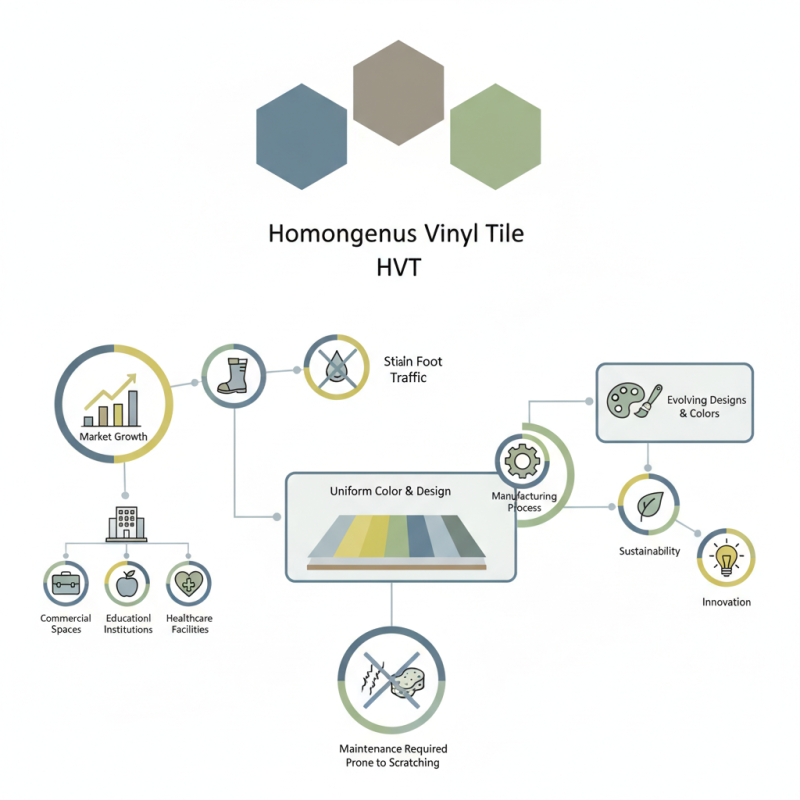
Homogeneous Vinyl Tile (HVT) has gained significant traction in the flooring industry. This popularity stems from its durability and versatility. According to a study by Research and Markets, the global vinyl flooring market is expected to grow at a CAGR of 6.5% from 2021 to 2028. HVT is a key player in this growth, favored for its ability to withstand high foot traffic and resist stains.

HVT's manufacturing process ensures uniform color and design throughout the tile, setting it apart from other flooring options. This quality makes it ideal for commercial spaces, educational institutions, and healthcare facilities. The report from Freedonia Group indicates that the commercial segment of the vinyl flooring market will account for over 50% of demand by 2025. However, while HVT is robust, it can be prone to scratching and requires regular maintenance to preserve its appearance.

The evolving designs and colors of HVT continue to attract designers and homeowners alike. As the market becomes more competitive, brands must focus on innovation and sustainability. Addressing these challenges will be crucial in maintaining consumer trust in Homogeneous Vinyl Tile as a leading flooring solution.
What is Homogeneous Vinyl Tile and Why is it Popular?

Definition of Homogeneous Vinyl Tile and Its Key Features

What is Homogeneous Vinyl Tile and Why is it Popular?

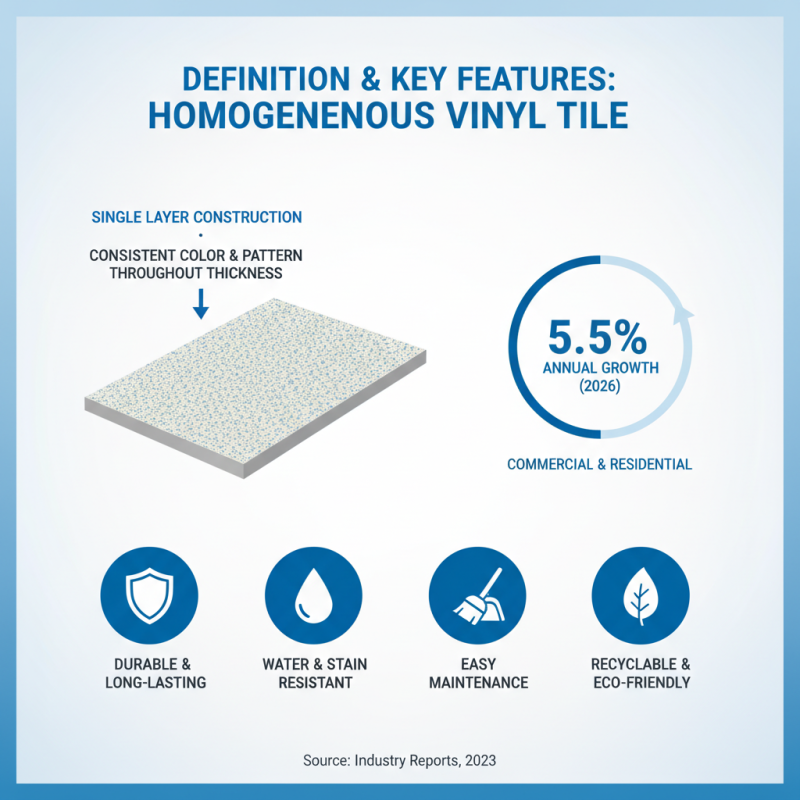
Homogeneous vinyl tile (HVT) is a type of resilient flooring made from a single layer of vinyl. This construction allows for a consistent color and pattern throughout the entire thickness of the tile. Industry reports indicate that HVT is gaining traction in both commercial and residential markets, with a projected growth rate of 5.5% annually up to 2026. This popularity can be attributed to several key features that make HVT a preferred choice.

One notable feature is its durability. HVT is resistant to scratches, stains, and extensive wear. This makes it an excellent option for high-traffic areas. Maintaining its appearance requires minimal effort. Cleaning can typically be done with just soap and water. Additionally, HVT offers a variety of designs that mimic natural materials like wood and stone, making it aesthetically pleasing.

However, there are some limitations. HVT can feel cold underfoot, which might not be ideal in certain climates. Furthermore, improper installation may lead to issues like buckling or peeling over time. It's crucial to select a qualified installer. Some practices in the industry still lack standardization, which can pose challenges in quality control. Despite these concerns, the benefits of homogeneous vinyl tile often outweigh the drawbacks for many users.
Advantages of Using Homogeneous Vinyl Tile in Various Settings

Homogeneous vinyl tile (HVT) has gained traction in both residential and commercial settings. Its uniform structure makes it a durable choice. According to a report by the Resilient Floor Covering Institute, HVTs offer superior performance in high-traffic areas. This durability often translates into lower maintenance costs over time. Many facilities experience reduced downtime due to easier cleaning and repair.

One significant advantage of HVT is its versatility. It can mimic the look of natural materials, making it a popular choice for hospitals, schools, and offices. A study conducted by the Construction Specifications Institute indicates that 80% of respondents prefer HVT for its aesthetic appeal and ease of installation. However, while the design options are vast, selecting the right color or texture can be challenging for some. People often overlook how color choices can affect mood and productivity.

Another consideration is sound absorption. HVT is known for its acoustic benefits, especially in large spaces. Research shows that noise levels in classrooms can drop by 15 dB with appropriate flooring. Yet, some users find that not all HVTs perform equally in soundproofing. It’s essential to assess specifications carefully. Finding the right product may require some trial and error.

Comparative Analysis of Homogeneous vs. Heterogeneous Vinyl Tiles

When comparing homogeneous and heterogeneous vinyl tiles, it's important to understand their distinct features. Homogeneous vinyl tiles are made from a single layer of material. This ensures uniformity in color and pattern throughout the thickness of the tile. The material’s density provides excellent durability and resistance to wear. They are often easier to maintain, as scratches or scuffs do not reveal a different color or pattern beneath.

Heterogeneous vinyl tiles, on the other hand, consist of multiple layers. These layers often include a printed design layer, which allows for varied aesthetics. However, this also means that damage to the top layer can affect the overall appearance. While they can offer diverse design choices, they may require more diligent upkeep to maintain their visual appeal.

Both types serve different needs in flooring solutions. Homogeneous options excel in high-traffic areas due to their toughness. Heterogeneous tiles might appeal more to those seeking design flexibility. It's crucial to assess specific project requirements. Consider factors like foot traffic, maintenance, and aesthetic preferences before making a decision.

Popular Uses and Applications of Homogeneous Vinyl Tile Today

Homogeneous vinyl tile is gaining traction for its versatility and durability. Many commercial spaces embrace this flooring option for its ability to withstand heavy foot traffic. Hospitals and schools often use it for its ease of maintenance. The seamless design minimizes joints, making it a hygienic choice for areas that require cleanliness.

Another popular application is in retail environments. Stores appreciate its aesthetic appeal combined with practicality. The variety of colors and patterns available allows for creative designs. However, not all installations go perfectly. Some might encounter challenges with subfloor preparation, leading to uneven surfaces. Awareness of these issues can guide better choices during installation.

Residential spaces also benefit from homogeneous vinyl tiles. Homeowners choose this flooring for living rooms, kitchens, and bathrooms. Its water-resistant qualities are particularly appealing in moist environments. Yet, the longevity of the product may vary based on foot traffic and maintenance. Understanding these nuances is crucial for maximizing the lifespan of the flooring choice.

What is Homogeneous Vinyl Tile and Why is it Popular?

Dimension Description Popular Uses Advantages
Material Composition Manufactured using a single layer of vinyl, providing uniformity and durability. Commercial flooring, healthcare facilities, educational institutions. Highly durable, easy to maintain, resistant to stains and impact.
Thickness Typically available in thicknesses ranging from 2mm to 5mm. Retail spaces, residential areas, airports. Comfort underfoot, noise reduction, and available in various designs.
Surface Finish Can come with various finishes, including matte, gloss, and textured. Fitness centers, kitchens, and dining areas. Slip resistance, easy customization for aesthetic appeal.
Installation Method Can be installed using glue down, loose lay, or click-lock method. Office spaces, showrooms, and hospitals. Quick installation process, reducing downtime of spaces.
Color Options Available in a wide range of colors and patterns, including natural looks. Retail, offices, and healthcare settings. Versatile design options for any interior style.

Maintenance and Care Tips for Homogeneous Vinyl Tile Flooring

Homogeneous vinyl tile (HVT) is a popular flooring choice due to its durability and aesthetic appeal. However, maintaining its pristine look requires some effort. Regular cleaning is essential. Use a dust mop or a vacuum to remove dirt and debris. This helps prevent scratches and keeps the tiles looking new. Damp mopping with a gentle cleaner keeps the surface free from grime.


From time to time, inspect for scuffs or scratches. These minor imperfections can affect the overall look. A specialized vinyl repair kit can be handy for fixing these issues. Avoid harsh chemicals that can damage the surface. Instead, stick to pH-neutral cleaning solutions. Proper maintenance not only prolongs the life of your flooring but also keeps it looking vibrant.


While homogeneous vinyl tiles are resilient, they are not bulletproof. Heavy furniture can leave indentations if not placed properly. Use furniture pads beneath legs to avoid this. Being mindful of these simple yet effective care tips ensures that your flooring remains a beautiful and functional part of your home. Keeping up with maintenance routines can feel overwhelming at times, yet the rewards are undeniable.