What Is Office PVC Carpet and Which Type Is Best?
Choosing the right Office Pvc Carpet is more complicated than comparing colors or catalogue prices. In a busy workplace, flooring must handle rolling chairs, coffee spills, tracked-in grit, and daily cleaning. It should also support quiet movement and a comfortable walking feel. Small details matter.
Commercial flooring consultant Mark Keller explains, “The best office floor is the one that matches traffic, maintenance habits, and the building’s real working conditions.” That practical view deserves attention. A stylish carpet may fail beside a pantry if its surface absorbs stains easily. A highly durable product may feel too hard in a collaborative workspace. Specifications should be checked carefully, including wear resistance, backing construction, dimensional stability, slip performance, and indoor air emissions.
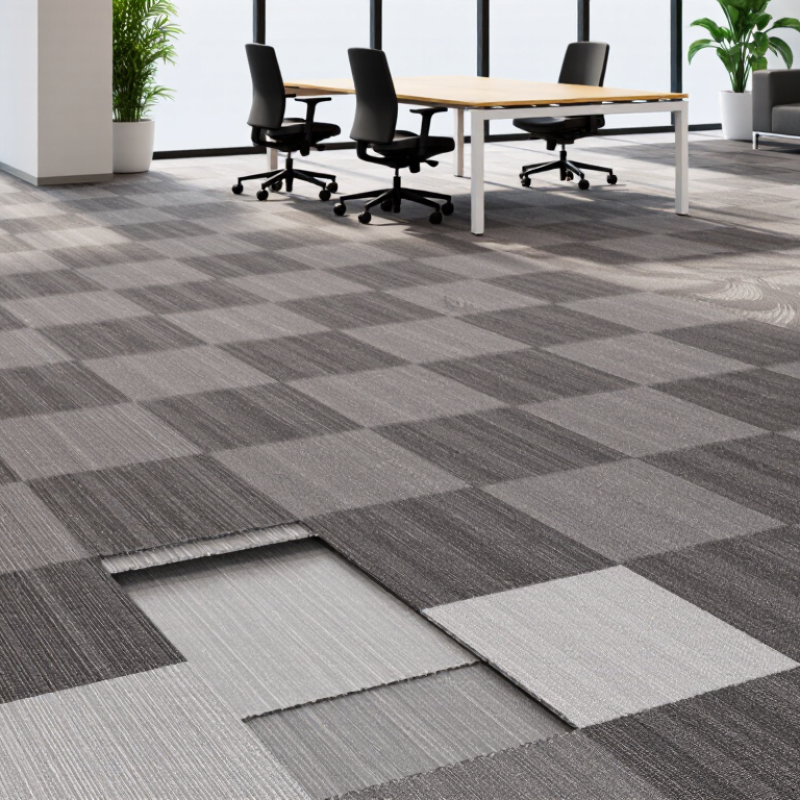
Office Pvc Carpet usually refers to modular carpet tiles with a PVC-based backing. Some options offer strong moisture resistance and simple replacement. One damaged tile can be lifted and changed, rather than removing an entire floor. That is useful under desks and near entrances. However, PVC is not automatically the best choice for every office. Recycled content, end-of-life planning, adhesive selection, and ventilation during installation deserve honest review. These details are often overlooked.
The best type depends on the space. Heavy-traffic corridors need resilient fibers and stable backing. Meeting rooms may benefit from better acoustic performance. Open offices need stain resistance and easier maintenance. Before deciding, inspect the subfloor, estimate traffic, and request technical documents. A small sample can reveal more than a polished photograph. Mistakes happen. Careful testing reduces them.
What Is Office PVC Carpet?
What Is Office PVC Carpet?
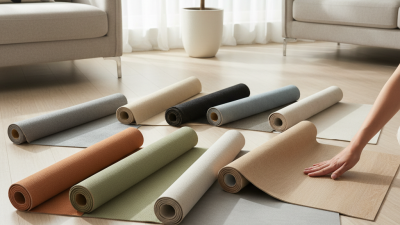
Office PVC carpet is a resilient floor covering made mainly from polyvinyl chloride, not traditional textile fiber. It usually appears as tiles or planks with a printed surface, protective wear layer, and stable backing. Some products imitate woven carpet, wood, or stone while resisting moisture and daily abrasion. In a busy office, a 500 mm tile can be replaced without removing an entire floor. That small detail matters when a chair damages one area.
The best type depends on the room’s traffic and maintenance routine. Homogeneous PVC flooring has consistent material through its thickness, making it suitable for corridors and high-use zones. Heterogeneous flooring offers more design layers and often provides better visual warmth. Modular tiles can simplify repairs, while sheet flooring reduces seams but demands more precise installation. Rolling chairs, grit near entrances, and coffee spills expose weak products quickly. They are not theoretical problems.
Grand View Research valued the global vinyl flooring market at approximately 25.79 billion dollars in 2022 and projected a 7.5% compound annual growth rate from 2023 to 2030. This growth reflects demand for durable, water-resistant surfaces, although market size does not prove suitability for every office. The American Society for Testing and Materials also publishes performance standards covering resilient flooring, dimensional stability, and slip resistance. Buyers should request test data, indoor-air-quality documentation, and maintenance instructions. A glossy finish may look impressive, but it can reveal scratches and glare. No specification is perfect.
How Office PVC Carpet Is Made and Structured
Office PVC carpet is usually built as a layered resilient floor covering, not a woven textile carpet. Its structure begins with PVC resin, plasticizers, mineral fillers, pigments, and stabilizers. These ingredients are blended into a consistent compound. Heat softens the mixture.
Manufacturers form the PVC through calendering, coating, or controlled extrusion. A printed design may be added to create wood, stone, or textile effects. An embossed surface then gives the floor texture and reduces visual uniformity. Above the pattern, a transparent wear layer protects against chair wheels, foot traffic, and routine cleaning. Some products also include a fiberglass layer, which improves dimensional stability and helps reduce shrinkage.
The backing matters as much as the surface. It can contain compact PVC, foam, or a multi-layer construction that supports comfort and sound control. In busy offices, installers should check thickness, seam quality, slip resistance, and resistance to rolling loads. Small defects become obvious under bright lights.
A thicker wear layer is not always better. It may increase cost without solving poor subfloor preparation. This is where specifications can disappoint. Moisture testing, accurate cutting, and suitable adhesive often influence performance more than appearance alone. During inspection, professionals should check color consistency, flatness, edge bonding, and whether the floor remains stable after furniture is installed. Some patterns hide dust well, while very dark surfaces reveal every mark. That practical detail is easy to overlook.
Key Benefits and Limitations of Office PVC Carpet
What Is Office PVC Carpet and Which Type Is Best?
Office PVC carpet usually means resilient PVC flooring with a textured, carpet-like appearance. It may come as tiles, planks, or continuous sheets. Tiles are often the most practical choice for offices because damaged sections can be replaced without lifting an entire floor. Heterogeneous PVC tiles usually provide better visual depth and acoustic comfort than homogeneous sheets. Selection still depends on traffic, chairs, cleaning routines, and subfloor moisture.
Its benefits are concrete. PVC resists stains, rolling-chair abrasion, and routine damp mopping. A facilities team can replace one damaged tile in minutes. That reduces disruption and material waste. The U.S. Environmental Protection Agency reports that indoor pollutant levels can be two to five times higher than outdoor levels. Therefore, low-emission adhesives and verified product declarations deserve attention, not just attractive patterns. Look for testing aligned with recognized indoor-air standards.
Limitations remain. PVC can feel less warm than textile carpet, and hard casters may create visible wear. Seams can also telegraph subfloor defects. Poor installation is unforgiving. European Commission Level(s) guidance treats service life, maintenance, and replacement as important life-cycle factors. PVC is not automatically sustainable; its outcome depends on durability and end-of-life handling. ASTM F1700 and ISO 10582 classifications can help compare performance, but they do not replace a site inspection. The best office option is usually replaceable PVC tile with low-emission documentation and a realistic maintenance plan. That answer is not perfect.
Which Types of Office PVC Carpet Are Available?
Office PVC carpet is a practical floor covering for busy workplaces. It combines PVC’s moisture resistance with patterns that resemble textile carpet. Unlike woven carpet, it does not absorb spills as quickly. Cleaning usually requires vacuuming, damp mopping, and prompt stain removal. The surface still needs care.
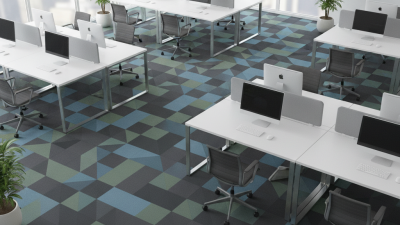
Several types are available. Homogeneous PVC carpet has one consistent layer throughout its thickness. It handles heavy foot traffic and can tolerate repeated cleaning. Heterogeneous PVC carpet uses multiple layers, often including a printed design and protective wear layer. It offers more visual variety and may provide better comfort underfoot. PVC carpet tiles are popular in offices because damaged sections can be replaced individually. They also support flexible layouts and future repairs. Loose-lay tiles reduce installation disruption, although they may shift if the subfloor is uneven. Acoustic versions include backing designed to reduce impact noise. They can make open offices feel less harsh.
Selection depends on traffic, cleaning routines, chair movement, and room acoustics. Check wear ratings, slip-resistance data, fire performance, and indoor air quality documents. Ask for test reports, not only sales descriptions. A textured design can hide marks, but it may collect dust around its raised pattern. Dark colors look elegant, yet they reveal lint quickly. I would test samples under office lighting and roll a chair across them for several days. Small details matter. Even good material can fail when moisture remains below the floor or installation is rushed.
How to Choose the Best Office PVC Carpet for Your Space
What Is Office PVC Carpet and Which Type Is Best?
Office PVC carpet usually refers to carpet tiles or resilient flooring with a PVC backing or surface. It combines a softer visual texture with practical moisture resistance. The best type depends on your room, traffic, cleaning routine, and acoustic needs. A busy reception area needs dense, wear-resistant tiles. Private offices may benefit from softer surfaces that reduce footstep noise.
How to Choose the Best Office PVC Carpet for Your Space
Measure daily traffic before choosing a pattern. Corridors and entrances need strong wear layers and darker, forgiving colors. Open-plan offices need stable tiles with good dimensional performance. Check slip resistance, fire-test documentation, stain resistance, and indoor air quality certificates from reliable suppliers. A low-pile surface is usually easier to vacuum. Modular tiles also allow damaged sections to be replaced instead of removing the entire floor.
Tips: Request a physical sample. View it under office lighting. Place it near a doorway and test cleaning marks. Confirm tile dimensions, installation requirements, and replacement availability. Ask for technical data, not only appearance photos. Acoustic backing can improve comfort, but it may affect chair movement. No choice is perfect. A highly textured surface can trap dust, while a smooth one may show footprints. I would also review maintenance records after installation, because attractive flooring can become costly when cleaning demands are underestimated. Recheck the decision after considering furniture wheels, sunlight, and moisture near entrances.
What Is Office PVC Carpet and Which Type Is Best?
Office PVC carpet is a resilient floor covering made from polyvinyl chloride. The comparison below uses a typical 1–5 suitability rating based on common product characteristics: 5 indicates stronger performance for the listed office requirement.
How to choose: PVC-backed carpet tile is usually the most flexible choice for open-plan offices because individual tiles can be replaced and the format supports acoustic comfort. Homogeneous PVC sheet is well suited to areas that need easy cleaning and continuous, low-joint flooring. Heterogeneous PVC sheet and LVT provide greater design flexibility, while LVT is often selected for reception areas and meeting spaces where a wood or stone appearance is preferred.