Top 10 Vinyl Floor Carpet Options for Global Buyers?
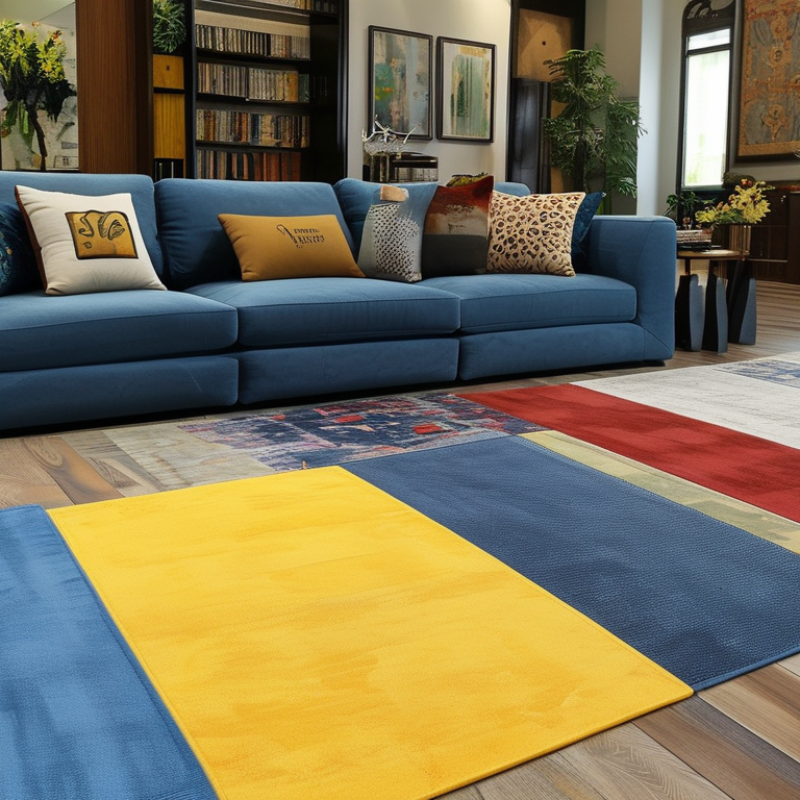
When considering home flooring options, many buyers are drawn to Vinyl Floor Carpet. This material combines the softness and warmth of carpet with the durability and easy maintenance of vinyl. It is increasingly popular among homeowners and designers alike.
Vinyl Floor Carpet comes in various styles, patterns, and colors. This variety allows for personalization in any space. However, some options may not provide the same comfort underfoot as traditional carpet. Buyers should carefully evaluate their choices.
Selecting the right Vinyl Floor Carpet involves understanding both aesthetic appeal and practicality. Some products may wear out faster than expected. Others may lack the desired texture. Therefore, it is essential to research and consider each option’s pros and cons before making a choice.
Understanding Vinyl Flooring: Key Features and Benefits
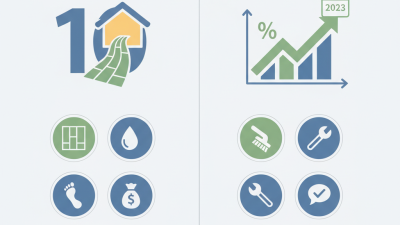
Vinyl flooring has gained immense popularity due to its versatility and affordability. It offers several advantages that appeal to global buyers. According to the "Flooring Market Analysis" report published by Allied Market Research, the global vinyl flooring market is projected to reach over $16 billion by 2027, growing at a CAGR of 7.2%. This growth is fueled by vinyl's resilience and aesthetics.
One of the key features of vinyl flooring is its durability. It is resistant to scratches and stains, making it ideal for high-traffic areas. Furthermore, vinyl offers water-resistant options, which are perfect for kitchens and bathrooms. The comfort underfoot is another significant benefit, providing a warm and cushioned surface that feels pleasant during everyday activities. Many buyers appreciate its ease of maintenance, requiring only regular sweeping and occasional mopping. However, some users report that lower-quality vinyl can fade over time.
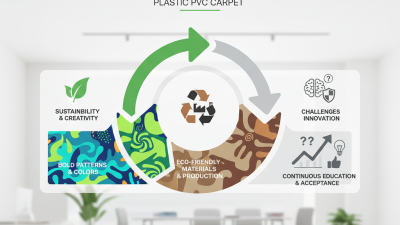
Moreover, vinyl flooring is an eco-friendly choice. Many products are made from recycled materials and are also recyclable at the end of their lifecycle. It has a lower carbon footprint compared to other flooring options, which enhances its attractiveness to environmentally conscious consumers. However, it is crucial to choose high-quality products to ensure longevity and performance. Balancing cost with quality remains a challenge for many buyers, as not all options deliver promised benefits.
Types of Vinyl Floor Carpets: Exploring Options for Buyers
Vinyl floor carpets offer diverse choices for buyers looking to enhance their spaces. The types vary widely, catering to different tastes and functional needs. For instance, homogeneous vinyl is known for its durability and even surface. It is a perfect choice for high-traffic areas like hallways and offices. On the other hand, heterogeneous vinyl features multiple layers, providing enhanced comfort and sound insulation.
When considering options, textured vinyl can add an interesting aesthetic to any room. This type mimics natural materials like wood or stone. However, it can also require more maintenance to keep its appearance. Additionally, luxury vinyl tiles offer a high-end look while remaining budget-friendly. Many buyers appreciate their ease of installation and versatility.
Many factors can impact the selection process. Budget limitations can restrict choices, leading to potential compromises on quality or design. Environmental considerations, such as the vinyl’s sourcing and recyclability, are essential to weigh. Finally, personal preference plays a significant role in choosing vinyl floor carpets, with styles that often reflect individual taste and lifestyle. Making informed decisions requires balancing these aspects carefully.
Top 10 Recommended Brands for Vinyl Floor Carpets Globally
Vinyl floor carpets are gaining popularity worldwide. Their durability and aesthetic appeal make them a top choice for many buyers. According to a recent market report, the global vinyl flooring market is projected to reach $48 billion by 2026. This growth highlights the increasing demand for high-quality flooring options.
When selecting a brand, consider factors like design variety, quality, and eco-friendliness. Some brands focus heavily on sustainability, offering products that are high in recycled content. The trend for hypoallergenic materials is also rising. Buyers should pay attention to certifications that ensure safety and environmental responsibility. A well-researched choice can lead to satisfying results.
However, not all brands meet expectations. Quality can vary significantly among different manufacturers. Some vinyl products may wear down faster than anticipated. It’s crucial to read reviews and compare warranty policies. Exploring customer feedback can illuminate potential issues with long-term use. Understanding these factors will help buyers make informed decisions in a crowded marketplace.
Factors to Consider When Choosing Vinyl Flooring
Choosing the right vinyl flooring can significantly influence both aesthetics and functionality in a space. One key factor to consider is the durability of the vinyl. According to industry reports, high-quality vinyl can withstand heavy foot traffic and resist scratches, making it ideal for residential and commercial environments. It's crucial to assess the thickness of the wear layer. A thicker layer often means better protection and longevity.
Another important aspect is the installation process. Many buyers prefer options that allow for easy installation. Some products feature a click-lock design, simplifying the DIY approach. This is particularly appealing to homeowners aiming to reduce labor costs. Additionally, the moisture resistance of vinyl is vital, especially in areas prone to spills. According to market research, over 50% of consumers prioritize moisture resistance when selecting flooring.
Finally, aesthetic preferences greatly impact decision-making. Vinyl flooring now comes in a variety of designs mimicking natural materials like wood and stone. This versatility accommodates diverse interior styles. Customers appreciate a balance between visual appeal and practical performance. While the options are plentiful, it’s essential to reflect on long-term wear and maintenance. Not all designs hold up equally in different environments.
Installation and Maintenance Tips for Vinyl Floor Carpets
Installing vinyl floor carpets can be a rewarding project. It offers a versatile and stylish option for homes. However, proper installation is key to achieving a long-lasting finish. Start by ensuring the subfloor is clean and dry. Remove any debris or dust to prevent defects. Use a leveler if necessary to smooth out bumps and dips.
Once prepared, measure the area accurately. Cut the vinyl to fit, leaving a slight gap at the edges for expansion. Adhesive is crucial for a secure hold. Apply it evenly, and press the vinyl down firmly. This step can require patience and attention to detail. Improper application can lead to wrinkles or air bubbles.
Maintenance is equally important. Regular sweeping or vacuuming keeps dirt from accumulating. For deeper cleaning, damp mopping with a gentle cleaner works best. Avoid harsh chemicals that can damage the finish. Over time, you may notice wear and tear. Be prepared to replace sections if needed. Understanding these challenges can help maintain the beauty and functionality of your vinyl floor carpets.