
The difference between rubber flooring and homogeneous PVC flooring
Rubber Flooring and homogeneous PVC flooring (a type of PVC flooring) exhibit significant differences in materials, performance, and application scenarios. Below is a detailed analysis of their distinctions, advantages, and disadvantages:
I. Core Differences
1. Material Composition
Rubber Flooring: Primarily made of natural or synthetic rubber. Highly eco-friendly but difficult to dye, resulting in limited color options.

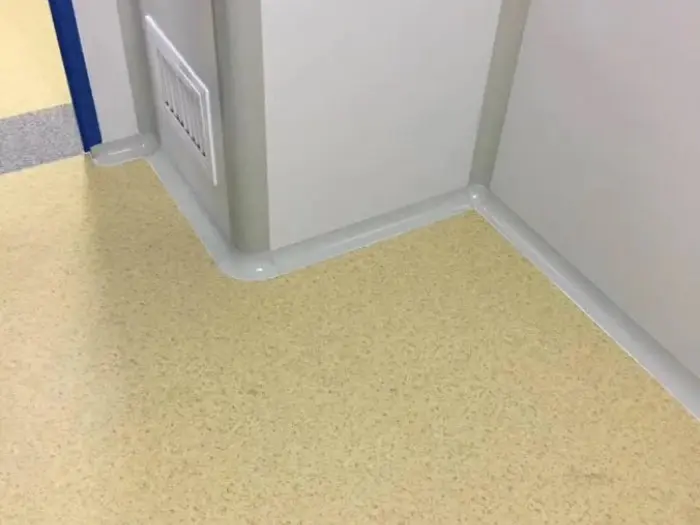
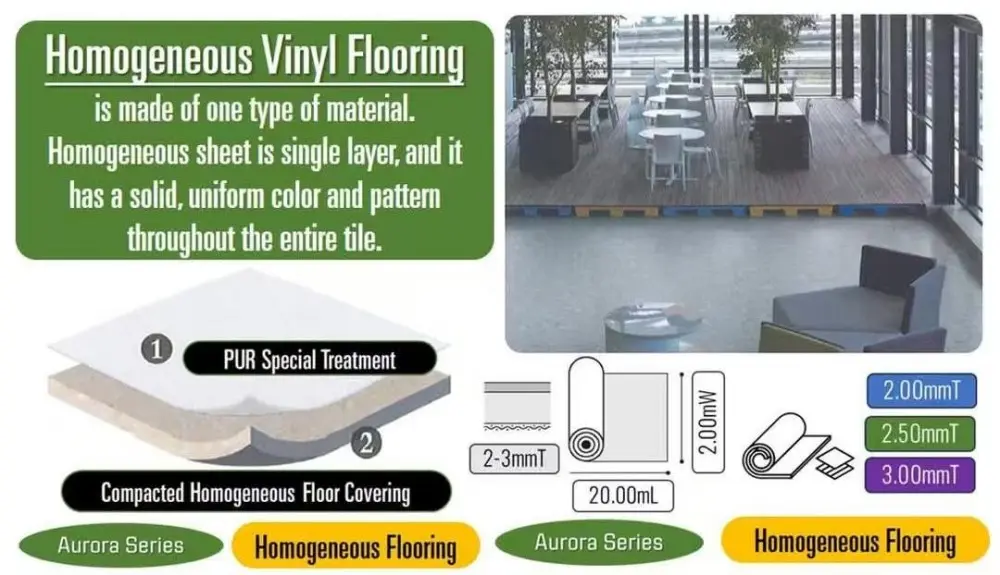
Homogeneous PVC Flooring: Uses polyvinyl chloride (PVC) as the base material. Features consistent patterns throughout its thickness, allowing surface restoration via sanding after wear.
2. Structural Characteristics
Rubber Flooring: Homogeneous or heterogeneous structure with high elasticity. Heavyweight and requires professional installation.
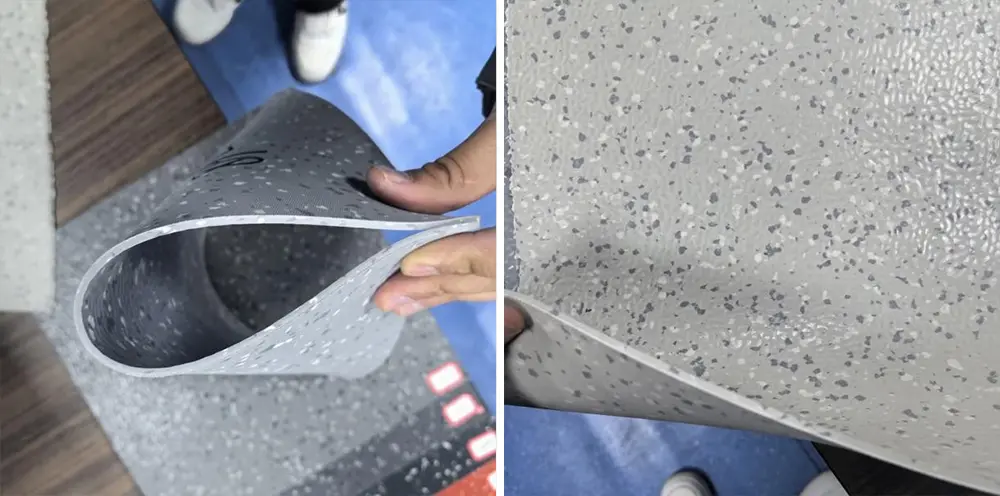
Homogeneous PVC Flooring: Single-layer through-body design with integrated wear and pattern layers, offering strong scratch resistance.
3. Aesthetic Design
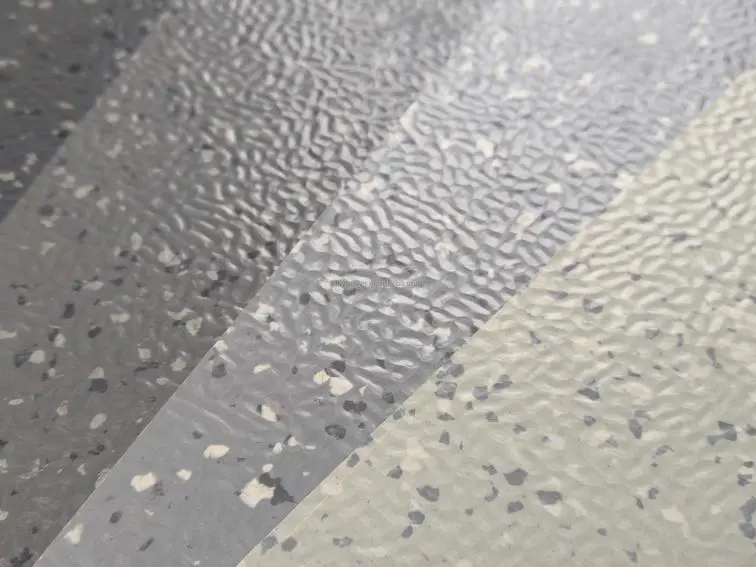
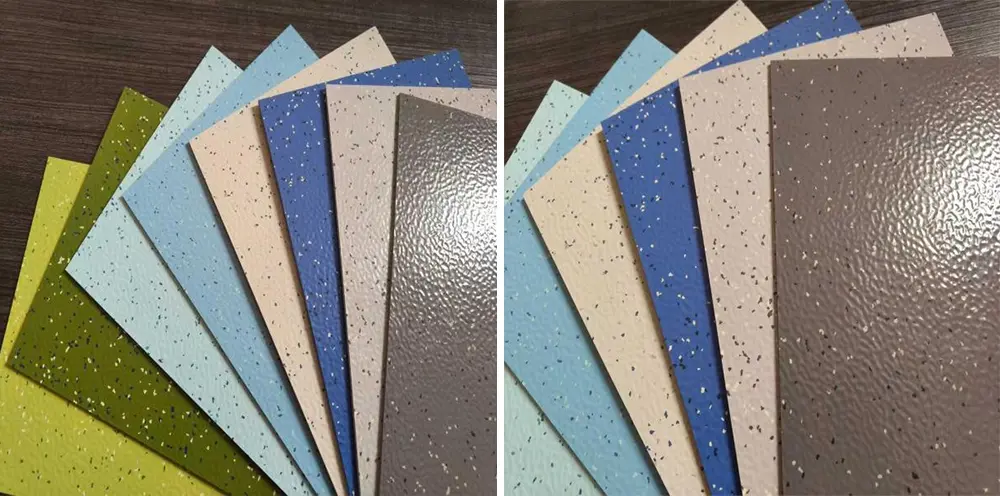
Rubber Flooring: Limited to solid colors or hammered textures.
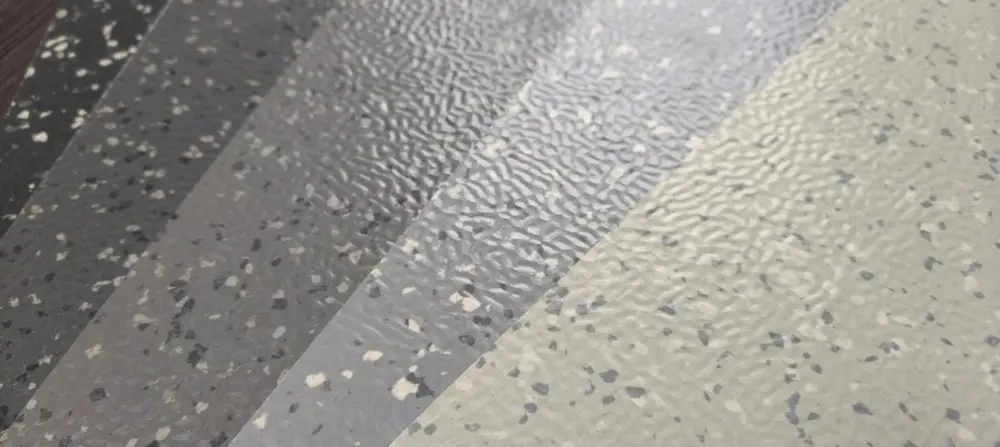
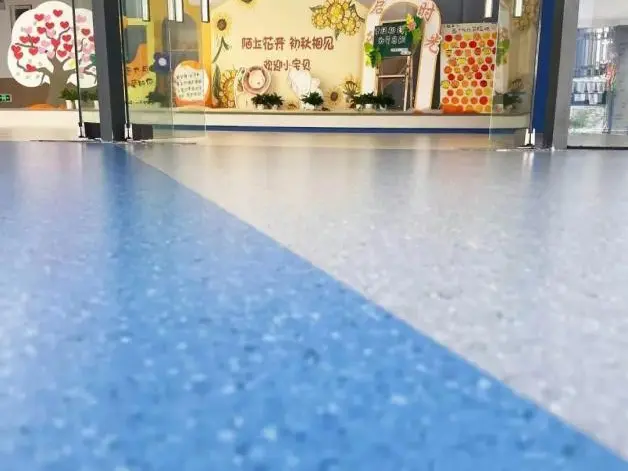
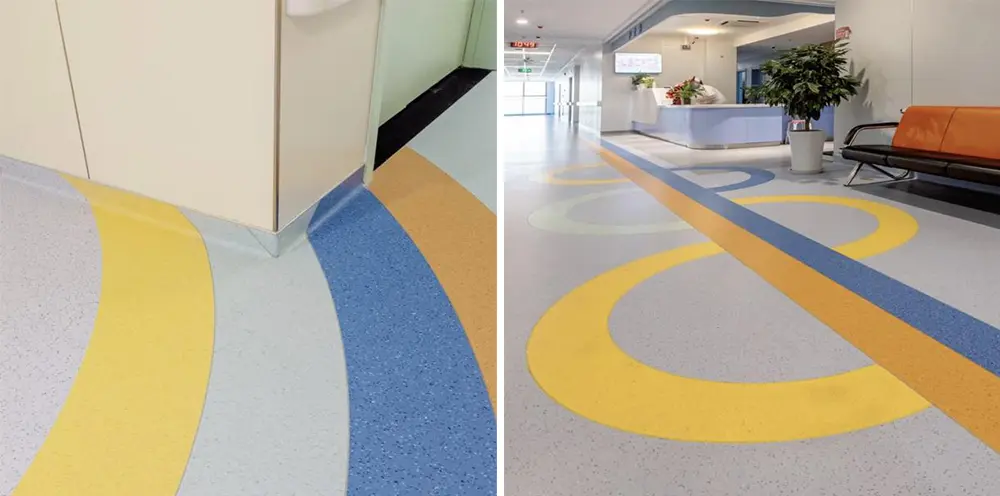
Homogeneous PVC Flooring: Diverse patterns (e.g., wood grain, stone textures) for flexible customization, ideal for personalized designs.
II. Advantages and Disadvantages
Rubber Flooring
Advantages:
High Wear Resistance: Suitable for high-traffic areas (e.g., airports, subway stations) with a lifespan of decades.
Elastic Comfort: Soft underfoot, absorbs shock and noise, reducing sports injuries.
Eco-Friendly and Antimicrobial: Natural rubber material is non-toxic and inhibits bacterial growth.
Waterproof and Moisture-Resistant: Performs well in humid environments.
Disadvantages:
High Cost: Expensive raw materials limit market adoption.
Limited Aesthetics: Few color options due to rubber’s poor dye absorption.
Complex Installation: Demands high substrate quality and professional expertise; prone to air bubbles.
Homogeneous PVC Flooring
Advantages:
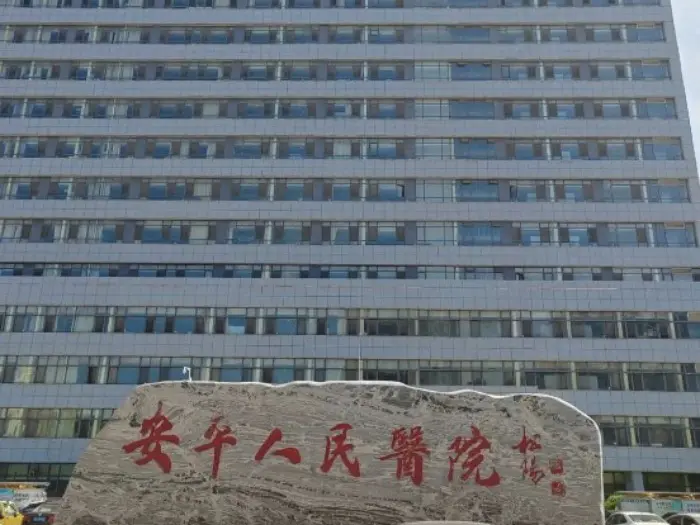
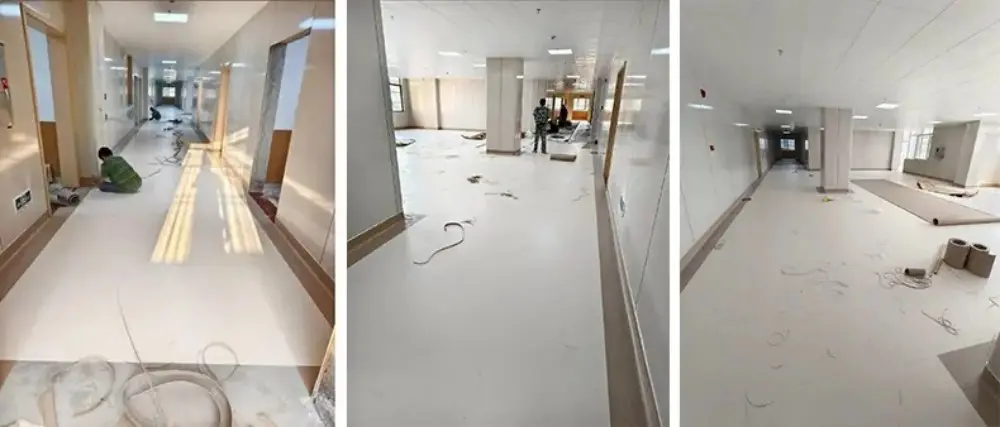
Cost-Effective: More affordable than rubber flooring; widely used in hospitals, schools, and homes.
Wear Resistance and Easy Maintenance: Surface can be sanded for restoration, extending lifespan.
Diverse Aesthetics: Realistic wood, stone, and other designs enhance visual appeal.
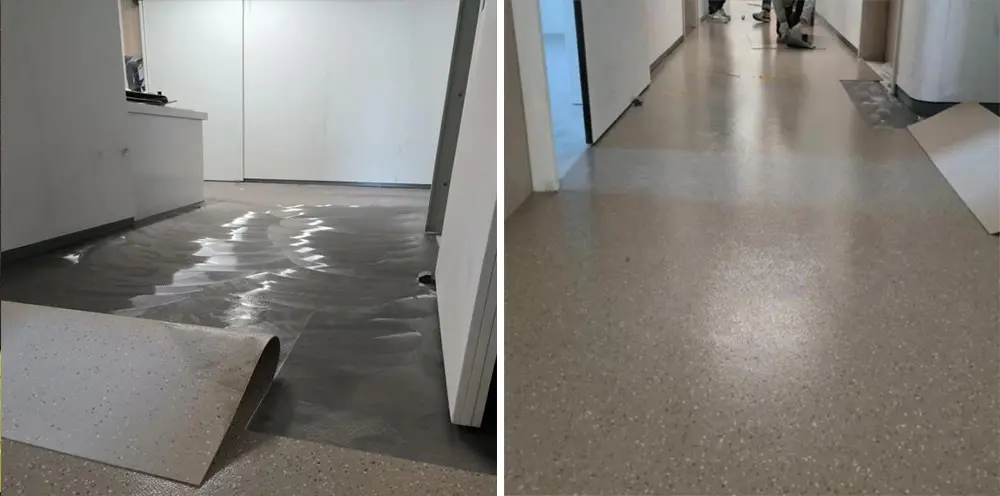
Easy Installation: Lightweight and quick to install.
Disadvantages:
Poor Heat Resistance: Vulnerable to cigarette burns; avoid open flames.
Stain-Prone: Light-colored surfaces show dirt easily, requiring frequent cleaning.
Harder Texture: Less soft and elastic than rubber flooring.
III. Application Scenarios
Rubber Flooring: Ideal for high-end venues (e.g., airports, gymnasiums), transportation hubs (subways, ships), and areas prioritizing durability and eco-friendliness.
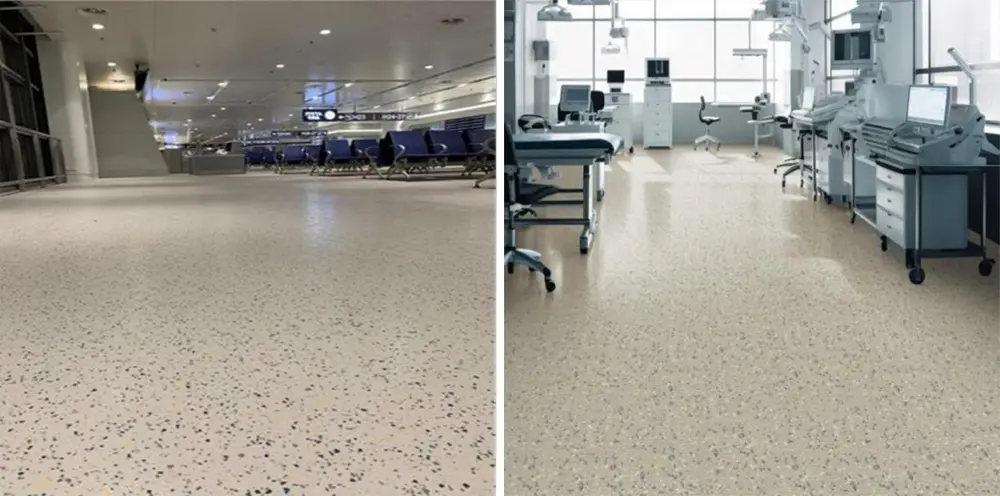
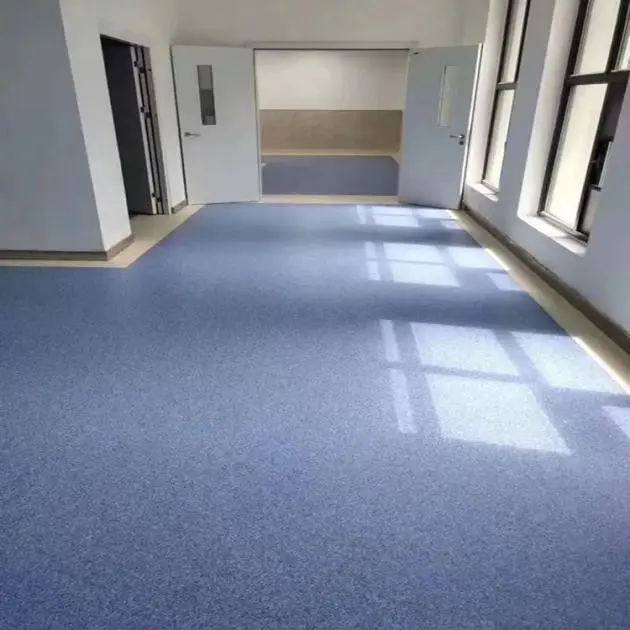
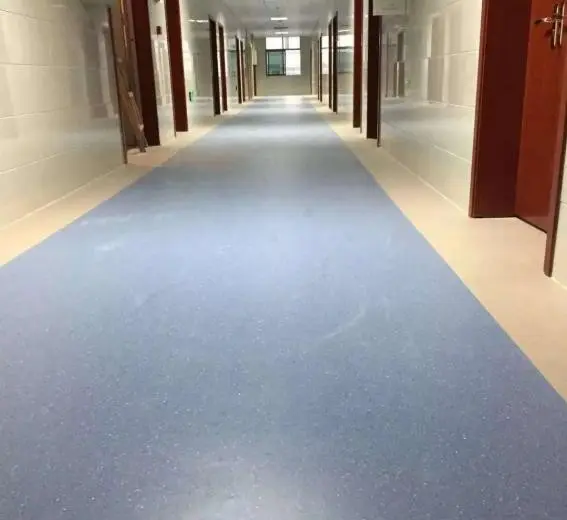
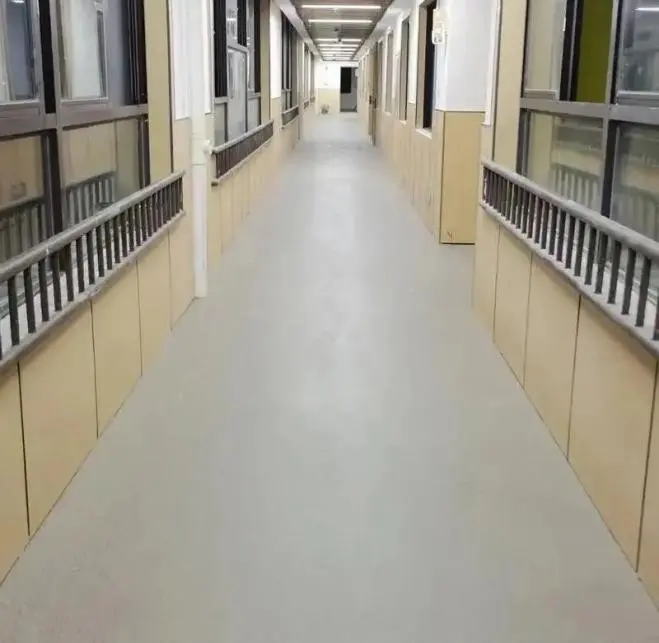
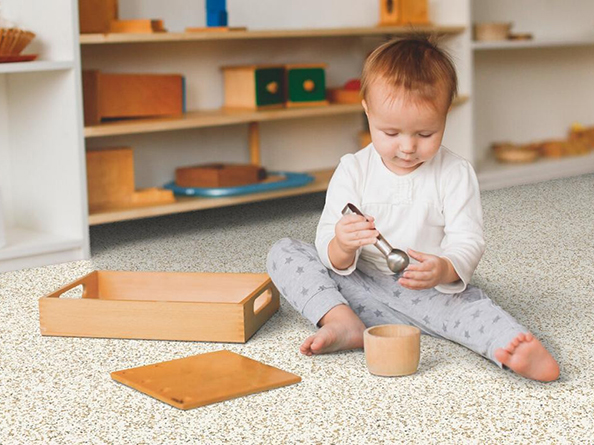
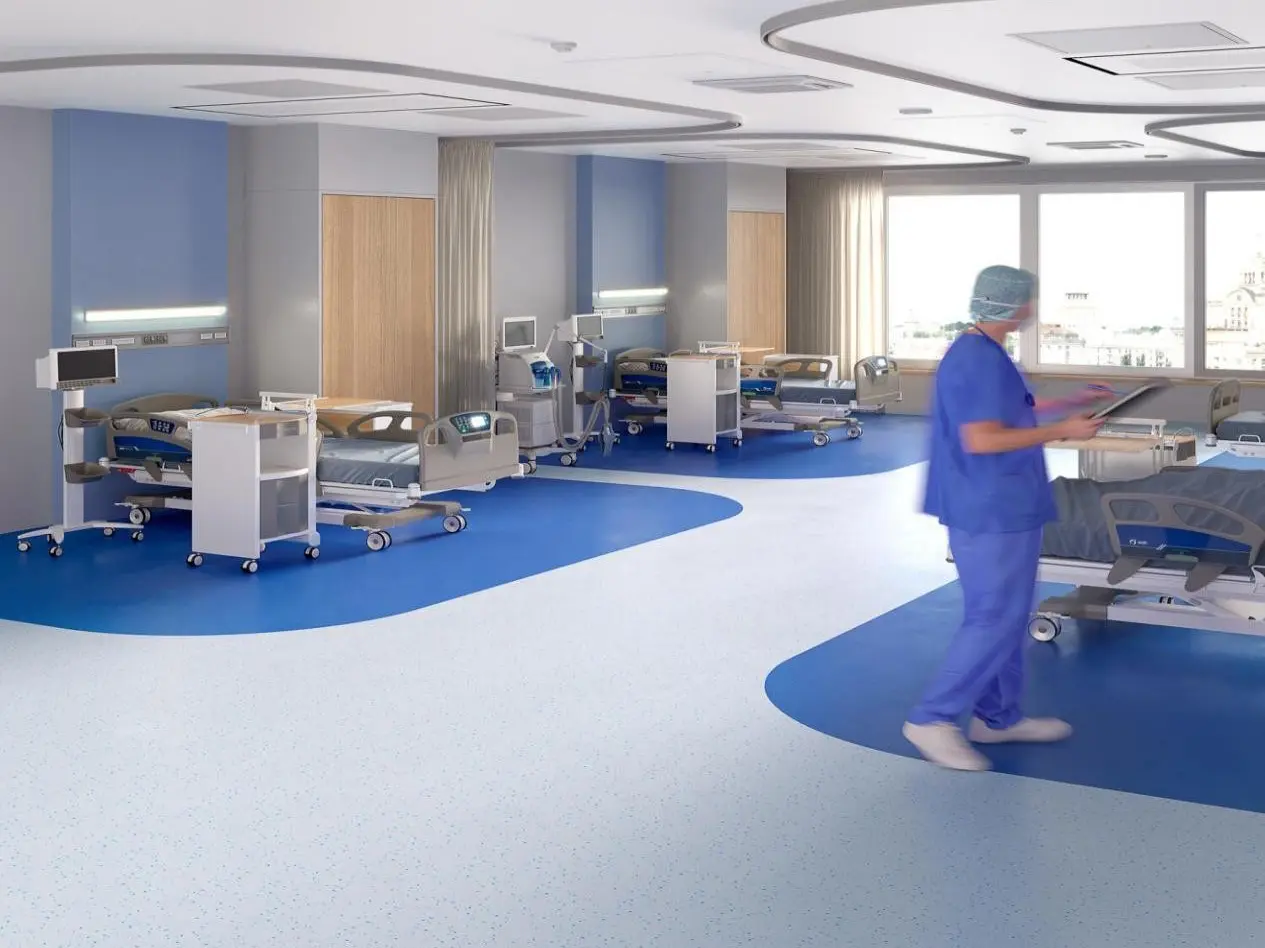
Homogeneous PVC Flooring: Suited for commercial spaces (hospitals, schools, malls) and household areas (kitchens, bathrooms) requiring slip resistance and easy cleaning.
Rubber flooring excels in natural eco-friendliness and extreme durability, making it ideal for premium applications. Homogeneous PVC flooring offers affordability and design versatility, catering to mainstream needs. Selection should consider budget, environment, and design preferences.