Best LVP Per Square Foot Options for Your Flooring Needs?
Choosing the right flooring can significantly impact the aesthetics and value of your home. Among various options, LVP (Luxury Vinyl Plank) stands out for its durability and affordability. Reports indicate that LVP, when assessed by “LVP per square foot,” offers some of the best value in the flooring industry. A study from the National Flooring Association reveals that LVP installations have risen 37% in the past five years due to increasing consumer demand.
Consumers often overlook the long-term benefits of LVP besides initial costs. While the average price ranges from $2 to $7 per square foot, factors like installation, maintenance, and lifespan significantly influence overall value. Moreover, LVP is designed to mimic natural materials, giving it a luxurious appearance without hefty costs. However, not all LVP products are created equal, and some might not withstand heavy traffic as well as others.
As consumers navigate their flooring choices, there's a need for deeper reflection. Are we valuing aesthetics over functionality? Moreover, are we fully informed about the best LVP per square foot options for our unique needs? Making a thoughtful decision can lead to lasting satisfaction with your flooring investment.
Factors to Consider When Choosing LVP Flooring Per Square Foot
When choosing luxury vinyl plank (LVP) flooring, several key factors come into play. One of the most important is thickness. Thicker planks usually offer better durability and comfort underfoot. They also tend to absorb sound better and can handle high-traffic areas more effectively. Keep in mind, however, that thicker options may come with higher costs per square foot.
Another crucial aspect is the wear layer. This layer protects against scratches and dents, which are common in busy households. A thicker wear layer generally means more protection, especially in homes with pets or children. Additionally, the installation method should match your lifestyle. Some products are designed for DIY installation, while others may require professional help. Consider your skill level and the time you can dedicate to this project.
Lastly, consider the aesthetic. LVP comes in a variety of styles, colors, and textures. Think about how the flooring will complement your existing decor. Don't overlook the importance of warranties and customer reviews, which can provide valuable insights into product performance. An informed decision will help you select the best LVP option tailored to your needs. Remember to weigh all these factors carefully to make the right choice.
Comparing Cost-Effectiveness of Different LVP Brands and Styles
When considering luxury vinyl plank (LVP) flooring, the cost-effectiveness of different brands and styles is crucial. LVP can vary significantly in price. Quality flooring often comes with higher upfront costs. However, these higher prices sometimes translate to greater longevity and lower maintenance needs, which can ultimately save you money.
It’s essential to assess not just the price per square foot but also the durability of the material. Some LVP options are thicker, which may provide better sound insulation and resistance to wear. Installation costs can also vary, impacting your overall budget. Many homeowners overlook the long-term value of investing in better materials. This lack of foresight can result in regrets down the line, especially if cheaper options lead to early replacement.
Consider the style and finish as well. Glossy finishes may show scratches more easily, while textured surfaces can hide imperfections. Not every design suits every environment. Balancing aesthetics with practicality is critical. Exploring different patterns and colors can help you find the right fit for your space while sticking to your budget.
Understanding the Installation Process for LVP Flooring
Installing Luxury Vinyl Plank (LVP) flooring can be an exciting yet challenging endeavor. Understanding the installation process is crucial for a successful outcome. First, prepare your subfloor thoroughly. It must be clean, dry, and level. Any imperfections will affect the final look. Consider using a leveling compound if there are significant dips or bumps. This step requires careful attention, as mistakes can lead to complications later.
Once the subfloor is ready, acclimate your LVP planks. Leave them in the installation area for at least 48 hours. This helps them adjust to the room's temperature and humidity. Failure to do so can cause expansion or contraction once installed. Next, it’s essential to plan your layout. Measure the room and decide the direction of the planks. This detail can influence the overall appearance and flow of your space.
During installation, use spacers to maintain expansion gaps. These gaps are critical, allowing the material to expand and contract. Take your time cutting the planks, especially around edges and corners. Precision is key, yet even seasoned installers sometimes need to redo cuts. Reflecting on your work regularly helps catch errors early. Installing LVP can be rewarding, turning your vision into reality with careful execution.
Best LVP Per Square Foot Options for Your Flooring Needs
This chart displays average costs per square foot for various options of Luxury Vinyl Plank (LVP) flooring, along with the respective installation costs. Understanding these data points can help you make an informed decision for your flooring project.
Durability and Maintenance: Key Features of LVP Options
When choosing luxury vinyl plank (LVP) flooring, durability is a critical factor. LVP is designed to withstand heavy foot traffic and is resistant to scratches and dents. According to a report by the Resilient Floor Covering Institute, LVP can last 20 years or more with proper care. This makes it an excellent choice for both residential and commercial spaces.
Maintenance is another vital aspect of LVP options. Cleaning is simple and doesn’t require specialized products. A damp mop and mild cleaner are usually sufficient. However, some users report challenges with stubborn stains. Regular sealing can prevent wear, but not everyone adheres to a strict maintenance schedule. Moreover, unlike hardwood, LVP cannot be refinished if it becomes damaged, potentially leading to costly replacements.
Water resistance is a significant benefit of LVP flooring. Many products are 100% waterproof, making them suitable for bathrooms and kitchens. A study by Floor Covering News states that about 80% of homeowners prefer materials that resist moisture. But, while LVP can handle spills, prolonged exposure can still cause issues. Ensuring proper installation is crucial, as poor sealing can negate these advantages.
Best LVP Per Square Foot Options for Your Flooring Needs - Durability and Maintenance: Key Features of LVP Options
| Option |
Durability (Years) |
Maintenance Level |
Water Resistance |
Average Cost per Sq Ft ($) |
| Basic LVP |
10 |
Low |
Yes |
2.50 |
| Mid-Range LVP |
15 |
Medium |
Yes |
3.75 |
| High-End LVP |
25 |
High |
Yes |
5.00 |
| Luxury Vinyl Plank |
30 |
Minimal |
Exceptional |
6.50 |
| Waterproof LVP |
20 |
Medium |
Yes |
4.25 |
Design Trends: Aesthetic Choices for LVP Flooring in Your Space
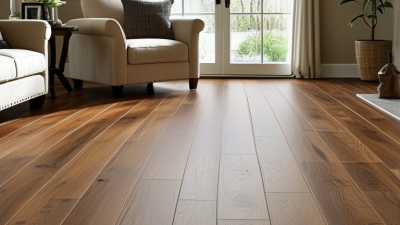
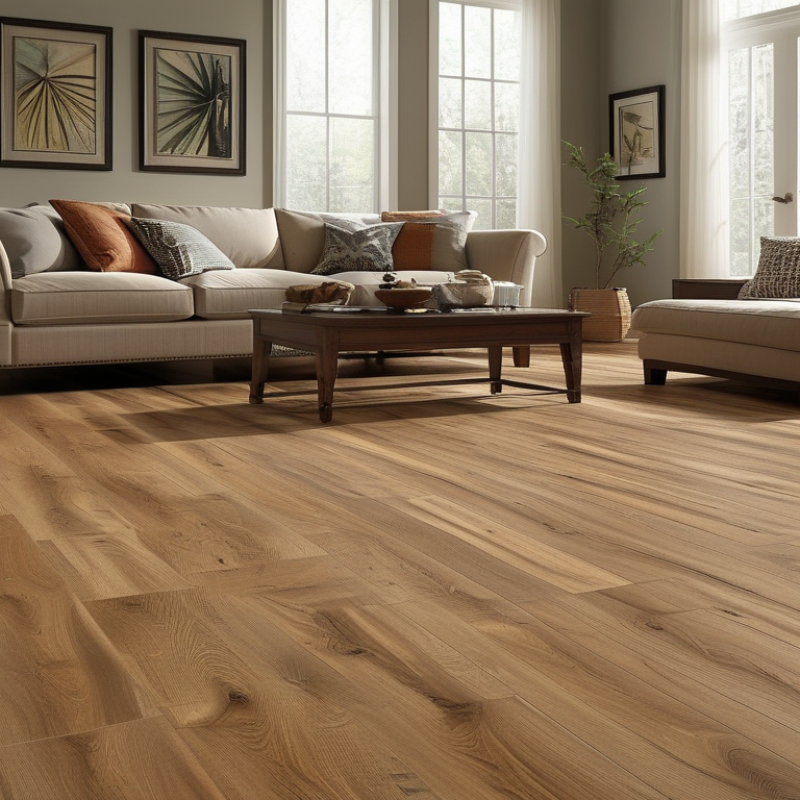
When considering aesthetic choices for luxury vinyl plank (LVP) flooring, the options are vast. Embracing natural textures and earthy tones can create a warm and inviting atmosphere. Consider a design that mimics wood or stone, which often complements various interior styles. Subtle grain patterns add depth and dimensionality to spaces, making them feel more dynamic and engaging.
Mixing colors and finishes is a growing trend. Combining light and dark planks can create a stunning visual contrast. This approach allows for creative layout designs, enhancing the overall character of the room. Play with herringbone or chevron patterns for added sophistication. Such designs draw the eye and serve as a focal point in any environment.
However, it's essential to keep in mind that not every design will suit every space. Overly busy patterns can overwhelm smaller areas. Additionally, some choices may require more maintenance than others. Reflect on your lifestyle and the function of each room before making decisions. Balancing style with practicality is crucial for achieving a visually pleasing and functional space.