10 Essential Tips for Choosing Lifeproof Flooring Vinyl for Your Home?
When choosing flooring for your home, durability and style are crucial. Lifeproof Flooring Vinyl stands out among options, offering both. According to John Smith, a leading expert in flooring solutions, “Lifeproof Flooring Vinyl combines beauty with unparalleled resilience.” This makes it a top choice for families and homeowners alike.
Selecting the right vinyl can feel overwhelming. Various brands and styles flood the market. Each product claims to be the best. It’s essential to consider factors like texture, design, and water resistance. Lifeproof Flooring Vinyl often excels in these areas, but not every option will suit your home.
Remember, it’s not just about aesthetics. Think about your lifestyle and the demands on your flooring. Can it withstand heavy foot traffic? Is it easy to clean? Many people overlook these aspects. Taking time to evaluate these features will lead to a more thoughtful decision.
Understanding Lifeproof Vinyl Flooring Options
When choosing Lifeproof vinyl flooring, understanding the available options is crucial. Vinyl flooring is known for its resilience and style. Reports indicate that it holds a significant market share, valued at over $10 billion annually. This growth reflects its popularity among homeowners, a trend fueled by durability and affordable pricing.
Lifeproof vinyl comes in various forms: luxury vinyl planks (LVP), vinyl tiles (LVT), and sheet vinyl. Each option caters to different aesthetic preferences and practical needs. LVP mimics hardwood but offers superior water resistance. LVT provides stylish tile appearances. Sheet vinyl can cover large areas seamlessly, making it ideal for expansive spaces. Choosing the right type involves assessing your home's traffic patterns and moisture levels.
Color and texture also play a vital role. A diverse range of styles means every homeowner can find something that suits their taste. However, many may overlook the importance of a texture that complements their home's decor. Statistics suggest that textures can significantly impact perceived warmth in space. Make sure to consider finishes that balance appearance with functionality, as not all textures may wear evenly over time.
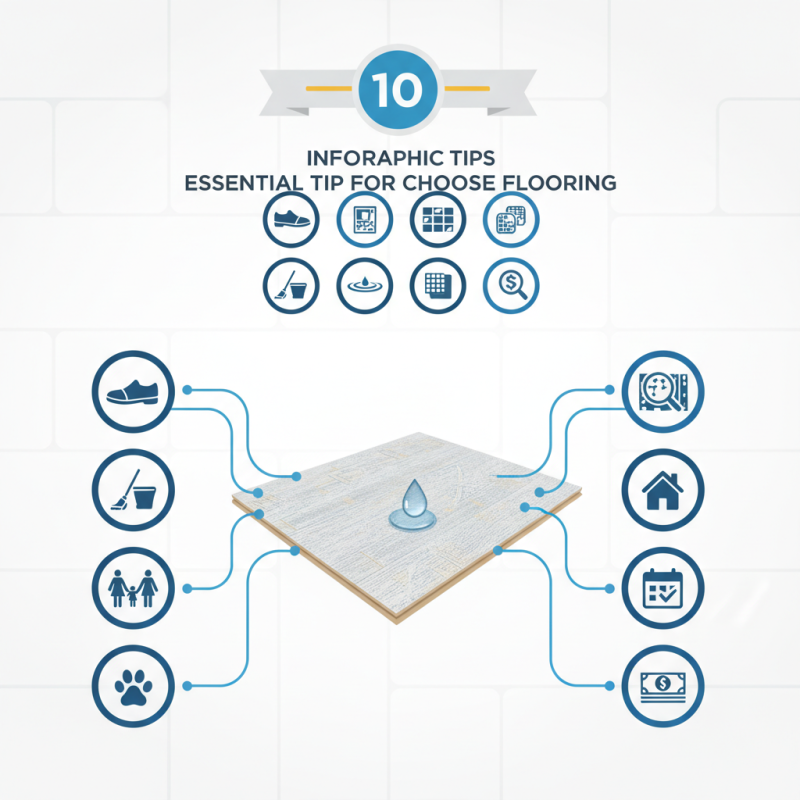
10 Essential Tips for Choosing Lifeproof Flooring Vinyl for Your Home
Evaluating Durability and Scratch Resistance in Vinyl Flooring
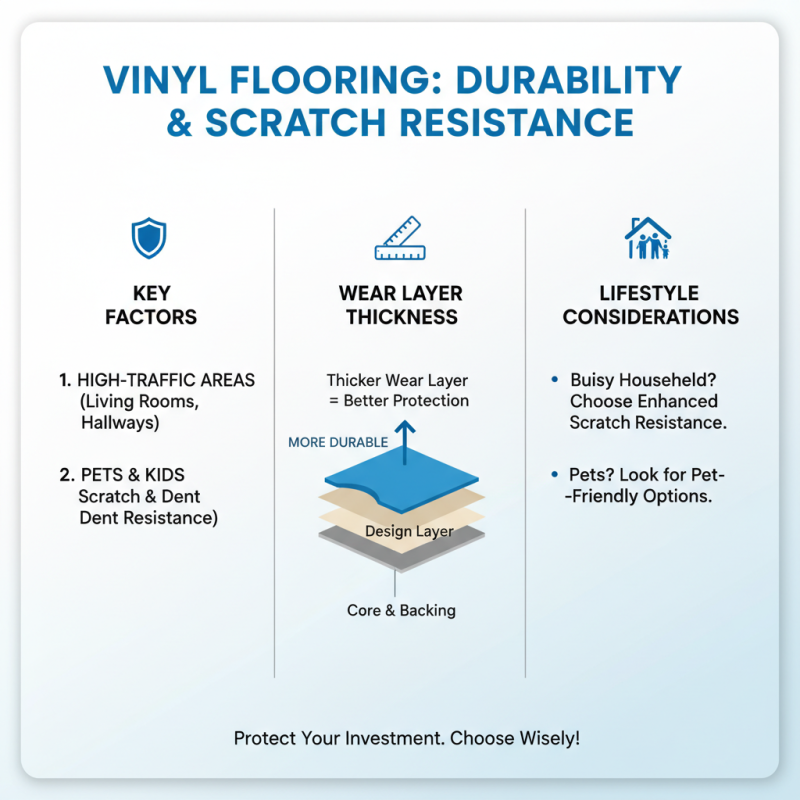
When choosing vinyl flooring for your home, durability and scratch resistance are key factors. High-traffic areas, like living rooms and hallways, require flooring that can withstand daily wear. Inspect the thickness of the wear layer; a thicker layer generally offers better protection against scratches. Consider how your lifestyle impacts flooring. If you have pets or kids, select a product designed to resist scratches and dents.
Evaluating the material’s construction is essential. Look for multi-layer designs that provide strength and stability. Reinforced vinyl often resists chipping and scratches better than standard planks. Pay attention to the finish as well; some finishes can help hide minor imperfections. While a glossy sheen might attract dust and scratches, a matte finish often appears more forgiving in busy homes.
Test samples in your space under various lighting to gauge their resilience. Consider how they wear over time. Some floors might initially look perfect but soon reveal their flaws, like scratches showing through. Recognizing these nuances can guide you to a choice that balances beauty and practicality in your home.
Assessing Style and Design Choices for Your Home
When selecting Lifeproof flooring vinyl, assessing style and design choices is crucial for creating a cohesive home environment. The National Association of Home Builders states that 81% of home buyers emphasize aesthetics when purchasing flooring. Colors and patterns significantly impact mood and room perception. For example, lighter colors may make a space feel larger and more open, while darker shades can add a comforting coziness.
Consider the overall design scheme of your home. Is it modern, rustic, or traditional? For a modern look, opt for sleek finishes and geometric patterns. Alternatively, rustic designs may benefit from wood-like textures and earth-toned colors. According to the Floor Covering Industry’s market analysis, 70% of consumers prioritize flooring that enhances their interior design. However, it's essential to balance style preferences with practical needs, such as durability and maintenance. Reflect on how often your family entertains or how much traffic specific areas receive.
Choosing the right style can be overwhelming. Trends change, and what’s popular today may not suit your long-term vision. A study from the American Institute of Architects revealed that while 67% of homeowners have specific design tastes, many still struggle to choose. Explore samples in different lighting and consider how various options interact with your existing furniture. This approach can help clarify your decision, enabling a more confident choice in creating a harmonious home.
Considering Installation Methods and Requirements for Vinyl
When selecting Lifeproof vinyl flooring, understanding installation methods is crucial. Proper installation impacts both longevity and performance. Many homeowners overlook this aspect. According to the National Wood Flooring Association, improper installation can reduce the lifespan of any flooring by up to 50%. It's important to assess whether you want a DIY project or hire a professional installer.
Different installation methods can affect the overall appearance and functionality of the flooring. Loose lay, glue-down, and click-lock systems each have unique requirements. For instance, the glue-down method often provides better stability but requires meticulous surface preparation. Studies show that over 30% of flooring failures are due to inadequate preparation. This should not be taken lightly. On the other hand, click-lock systems are user-friendly, appealing for DIY enthusiasts. However, improper acclimation can lead to expansion or contraction issues, which are not easy to fix.
Understanding the subfloor is another essential factor. Concrete, wood, or existing flooring can all influence installation choices. The right underlayment is vital for sound insulation and moisture control. Research indicates that up to 25% of moisture-related issues stem from incorrect underlayment choices. Evaluating your specific circumstances will lead to better decision-making. Often, manufacturers provide guidance that can be beneficial, yet many users neglect these resources.
Budgeting and Cost Analysis for Lifeproof Flooring Selection
When considering Lifeproof flooring, budgeting is crucial. A 2022 report from the National Floor Covering Alliance indicates that vinyl flooring can range from $2 to $7 per square foot. This cost includes materials and installation. However, additional factors can impact the total price. For example, subfloor preparation may add more to your budget.
Tip: Research local installation costs before making a decision. Rates may vary significantly by region and contractor. Some homeowners pay as little as $1 per square foot for installation, while others might face costs over $5. Clarifying these expenses can help avoid surprises.
Be mindful of long-term maintenance costs as well. Lifeproof flooring is designed to be durable, but it also requires proper care. Ignoring maintenance can lead to premature wear.
Tip: Allocate funds for cleaning supplies and potential repairs. Over time, small costs add up. Keeping a maintenance checklist can help you stay on track. Always trust reliable sources for budgeting advice. Relying solely on price tags can be misleading. Evaluating the quality and longevity of flooring choices is essential for a solid investment.