Best Plain PVC Floor Carpet for Global Buyers in 2026?
The demand for Plain PVC Floor Carpet is projected to rise significantly by 2026. This growth can be attributed to the increasing focus on durable and cost-effective flooring solutions worldwide. According to a recent market analysis report, the global PVC flooring market is expected to reach $7.15 billion by 2027, driven by urbanization and lifestyle changes.
Plain PVC Floor Carpet stands out due to its versatility and ease of maintenance. It is suitable for residential, commercial, and industrial spaces. Its water-resistant properties make it an ideal choice for high-traffic areas. Moreover, studies indicate that over 60% of consumers prioritize eco-friendliness in flooring materials, compelling manufacturers to innovate in sustainable production practices.
However, potential buyers should remain cautious. Not all PVC carpets offer the same durability or aesthetic appeal. Some may contain harmful chemicals, which can affect indoor air quality. Thus, thorough research and reliable suppliers are crucial in making informed decisions. Buyers should also consider long-term performance over initial cost to avoid dissatisfaction in the future.
The Rise of PVC Flooring: A Global Perspective
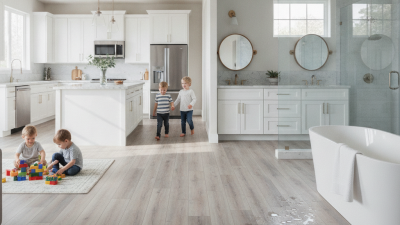
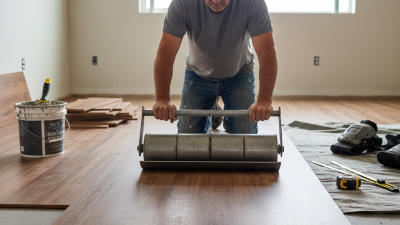
PVC flooring has gained significant traction around the globe in recent years. Its versatility and affordability make it an appealing choice for various applications. This synthetic material is durable and resistant to moisture, which is essential for areas prone to spills, like kitchens and bathrooms. Many homeowners and businesses are opting for PVC flooring due to its easy installation and low maintenance requirements.
However, not all PVC flooring is created equal. Consumers often face challenges in selecting the right type and style that fits their needs. The absence of standardized ratings for quality can lead to confusion. It's crucial for buyers to educate themselves about the material's characteristics, such as thickness, density, and wear layer. Engaging with industry experts can provide valuable insights to navigate these options.
Furthermore, sustainability is becoming an increasingly important consideration. Some PVC products may not be eco-friendly, leading to concerns about their environmental impact. Buyers must reflect on the lifecycle of their flooring choices. Exploring recycled options could contribute positively to both personal spaces and the planet. Ultimately, informed decisions will define the future landscape of PVC flooring.
Global PVC Flooring Market Growth (2020-2026)
Key Features of Plain PVC Floor Carpets
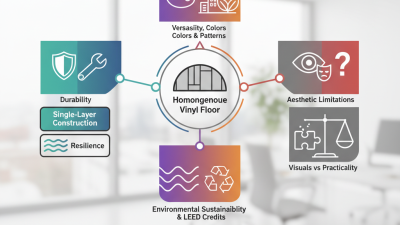
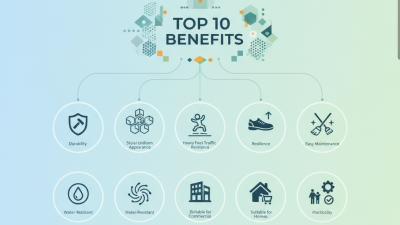
Plain PVC floor carpets are an excellent choice for various settings, balancing functionality and aesthetic appeal. One of their key features is the durability they offer. These carpets resist stains and moisture, making them suitable for homes and commercial spaces alike. It's evident that they can withstand heavy foot traffic without losing their charm.
Another important aspect is their maintenance. Plain PVC carpets are easy to clean, requiring minimal effort to keep them looking fresh. You can simply wipe them down or use a vacuum. This ease of upkeep appeals to buyers seeking long-lasting solutions. Additionally, they come in a wide array of colors and textures. This versatility allows for diverse design choices, yet some may find the options overwhelming.
While plain PVC carpets excel in many areas, they are not without drawbacks. For instance, they can sometimes emit a slight odor upon installation. This scent usually dissipates but may require ventilation. Furthermore, the aesthetic appeal can be subjective. What one person finds appealing, another may see as too simplistic. Balancing these features against personal taste is essential for buyers.
Top Global Manufacturers of PVC Floor Carpets in 2026
As the demand for PVC floor carpets continues to rise globally, several manufacturers are stepping up their game in 2026. The industry reports indicate a projected growth rate of 4.5% annually for the PVC flooring market, reflecting an ever-increasing preference for durability and ease of maintenance. This trend is evident in various sectors, including residential, commercial, and industrial.
Key players are diversifying their offerings, focusing on eco-friendly manufacturing practices. This shift is crucial as consumers become more aware of environmental impacts. A recent study highlighted that 65% of buyers prefer sustainable products, demanding transparency in materials sourced. Manufacturers are increasingly adopting recyclable options, aligning with consumer values while still meeting aesthetic requirements.
Despite advancements, challenges remain. Quality assurance is vital, yet some manufacturers struggle to maintain consistent standards. Additionally, the competition is intense, leading to price wars that may compromise product quality. Industry experts suggest that successful companies in this space will prioritize innovation and customer feedback, ensuring they meet the evolving needs of consumers while navigating these complexities.
Sustainability Trends in PVC Flooring Industry
The PVC flooring industry is evolving rapidly, with sustainability becoming a focal point. Increasingly, manufacturers are turning to eco-friendly materials and production methods. This shift aims to meet the growing demand for products that are not only durable but also environmentally responsible. Innovative recycling techniques are being developed, making it easier to repurpose old PVC materials.
Many consumers now prioritize sustainable practices in their purchasing decisions. They seek out flooring solutions that minimize environmental impact. However, challenges remain. Not every manufacturer has adopted these practices uniformly. Some still rely on traditional methods that may not align with eco-friendly standards. This inconsistency can confuse buyers looking for sustainable options.
Education on PVC flooring and its environmental implications is crucial. There needs to be a clearer understanding of what makes a product sustainable. Transparency in production processes will help consumers make informed choices. While progress is being made, the journey toward a fully sustainable PVC flooring industry is ongoing. Embracing this change requires commitment from all stakeholders involved.
Consumer Preferences and Market Trends for 2026
In 2026, consumer preferences for plain PVC floor carpets are shifting. A recent market report indicates that nearly 65% of buyers prioritize durability and ease of maintenance. These qualities make plain PVC carpets popular in both residential and commercial sectors. Additionally, the aesthetics of plain designs are gaining traction, as consumers look for versatile options that fit various interior styles.
One significant trend is the growing demand for eco-friendly materials. Around 55% of consumers express a preference for sustainable products. They want flooring solutions that not only perform well but also contribute to environmental well-being. This reflects a broader societal shift toward sustainability. Yet, not all manufacturers are meeting these demands. There is still room for improvement in sourcing sustainable PVC.
Tips: Consider testing samples before making a large purchase. The texture and feel can greatly vary between products. Also, pay attention to the thickness of the carpet. Thicker options generally offer better sound absorption. Depending on your needs, this can impact comfort and ambiance.