How to Choose Homogeneous Vinyl Tile for Your Project?
Choosing the right flooring for a project can be daunting. One popular option is Homogeneous Vinyl Tile. This flooring type offers durability and versatility, making it suitable for various environments. According to industry expert John Smith, “Homogeneous Vinyl Tile balances aesthetics and function seamlessly.” His words emphasize the importance of thoughtful selection.
When considering Homogeneous Vinyl Tile, it is essential to evaluate your specific needs. Think about foot traffic, maintenance, and design preferences. The wrong choice could lead to costly issues later on. For example, a trendy design may not withstand daily wear.
Additionally, color and texture play significant roles in how a space feels. A tile’s finish can affect both comfort and safety. Many overlook these aspects, focusing solely on price. Reflecting on your choices can lead to a more informed decision, ultimately enhancing the project's success.
Understanding Homogeneous Vinyl Tile and Its Benefits
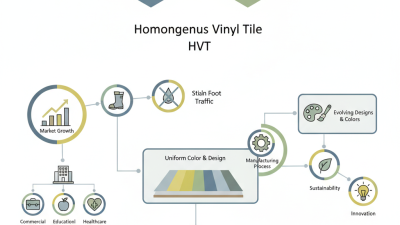
Homogeneous vinyl tile (HVT) is becoming a popular choice in commercial and residential spaces. Understanding its benefits is crucial for making informed decisions. HVT is made from a single layer of vinyl that is consistent throughout its thickness. This design enhances durability and long-lasting performance. According to a study by the Resilient Floor Covering Institute, HVT can last up to 20 years with proper maintenance.
One of the most compelling reasons to choose HVT is its ease of maintenance. The smooth surface makes it resistant to stains and dirt. Regular sweeping and occasional mopping are usually sufficient to keep it looking new. The American Institute of Architects noted that this flooring type reduces upkeep costs by as much as 30% compared to traditional materials.
Additionally, HVT offers excellent design flexibility. It comes in various colors and patterns, allowing for creative interior solutions. You can achieve a custom look that suits your project’s needs. However, the installation process can be tricky. Uneven subfloors may lead to poor adhesion and premature wear. Careful planning is necessary to avoid these pitfalls. Choosing the right flooring involves weighing benefits against potential challenges.
Comparative Analysis of Different Types of Vinyl Tiles
Identifying Your Project Needs and Requirements
Choosing the right homogeneous vinyl tile requires a clear understanding of your specific project needs. Are you working on a high-traffic area such as a commercial space or a more residential area? This decision will significantly impact your choice. According to industry reports, 70% of flooring failures arise from incorrect material selection, emphasizing the importance of aligning tiles with project requirements.
Consider the environment. Will the tiles be subjected to moisture or heavy impact? Some homogeneous vinyl tiles offer enhanced moisture resistance and durability. Studies indicate that areas with high foot traffic benefit from thicker tiles, which provide better resistance to wear and tear. Pay attention to the tile’s slip resistance rating, particularly in areas prone to spills.
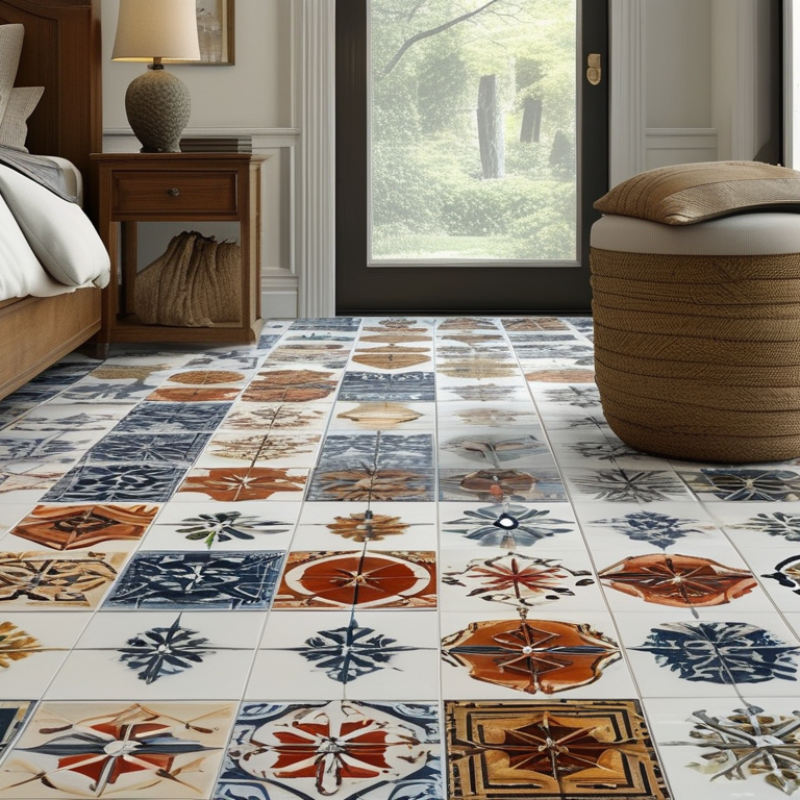
Additionally, think about aesthetic preferences. Color, pattern, and texture can influence the overall ambiance of a space. However, always prioritize functionality over appearance. Aesthetic choices can sometimes distract from performance needs. Remember, selecting homogeneous vinyl tiles is about balancing beauty and practicality, which can be a challenging yet rewarding process.
Assessing Aesthetic and Design Preferences
Choosing the right homogeneous vinyl tile is essential for your project. Aesthetic and design are the top concerns. The color, pattern, and texture must reflect your vision. This can be challenging. Not all designs work for every space. You may find yourself torn between bold colors and muted tones.
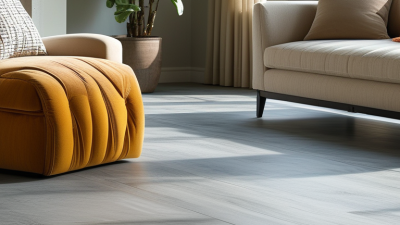
Consider the atmosphere you want to create. A light color can brighten a room. It can make a small area feel larger. On the other hand, dark tones add warmth and sophistication. Think about how each option interacts with lighting. You might enjoy a glossy finish. However, it can show dirt and scratches more easily. A matte finish is great, but it might lack visual interest.
Test samples in your space. Observe how the tile looks throughout the day. This process can be eye-opening. You may discover a preference for certain textures over others. Sometimes, the floor may look different than expected. Take your time in making a choice. A thoughtful decision will enhance the overall appeal of your project. The goal is to create a space that feels cohesive and inviting.
Evaluating Durability and Maintenance Factors
When choosing homogeneous vinyl tile, understanding durability is crucial. This type of flooring is designed to withstand heavy foot traffic. It's ideal for high-use areas like commercial spaces. The thickness of the tile often determines its durability. Thicker tiles can resist scratches and dents better than thinner options. Look for tiles that are at least 2mm thick for enhanced wear resistance.
Maintenance factors should also be considered. Homogeneous vinyl tiles are generally easy to clean and maintain. Regular sweeping and occasional mopping keep them looking great. However, some tiles may stain easily if spills aren't cleaned promptly. They require some attention to keep them in good shape. It's essential to assess how often you'll clean the floor and what cleaning solutions you plan to use.
Moreover, evaluate the warranty offered. A good warranty can be a sign of the manufacturer's confidence in the product. It might indicate how long the tile can withstand daily use. Understand the limitations of the warranty too. Sometimes, it may not cover damage from improper care. Consider these factors carefully to make an informed choice.
Comparing Cost and Installation Options for Vinyl Tile
When considering vinyl tile for your space, cost and installation options are crucial factors. According to a report from the National Floor Covering Association, vinyl tile averages between $1 to $5 per square foot. This range is appealing for many projects. However, it's essential to factor in potential additional costs. Unforeseen expenses can arise, such as subflooring repairs or adhesive requirements.
Installation methods vary, influencing overall project time and labor costs. Self-adhesive tiles offer a straightforward approach, requiring minimal tools. Professionals report installation times can be cut in half with this method. On the other hand, glue-down tiles may offer better durability but require professional installation. This can increase costs significantly, sometimes doubling the original budget for DIY enthusiasts.
Budgeting for the entire project often unveils challenges. Properly evaluating what your project entails ensures you remain within budget constraints. For example, while a lower initial cost seems attractive, long-term maintenance expenses can add up. Vinyl tiles generally require replacement every 10 to 15 years, making their lifecycle vital for financial planning. Understanding these factors leads to a more informed decision, ultimately enhancing your project's value.
How to Choose Homogeneous Vinyl Tile for Your Project? - Comparing Cost and Installation Options for Vinyl Tile
| Tile Type |
Cost per Square Foot |
Installation Method |
Durability (Years) |
Maintenance |
| Standard Homogeneous Vinyl Tile |
$2.00 |
Glue Down |
10-15 |
Low |
| Luxury Vinyl Tile (LVT) |
$3.00 |
Click Lock |
15-25 |
Very Low |
| Sheet Vinyl |
$1.50 |
Glue Down |
10-20 |
Medium |
| Vinyl Plank |
$2.50 |
Floating |
15-30 |
Low |