What is Homogeneous Vinyl Tile and Why is it Popular?
Homogeneous Vinyl Tile (HVT) has gained significant traction in the flooring industry. This popularity stems from its unique properties and aesthetic appeal. According to Sarah Thompson, a leading expert in flooring design, "Homogeneous Vinyl Tile offers unmatched durability and versatile design options." This statement encapsulates the essence of HVT's appeal.
HVT is a single-layer vinyl product, making it ideal for high-traffic areas. Its seamless design reduces maintenance and keeps the surface looking pristine longer. Many commercial spaces benefit from this feature. However, some may overlook the importance of professional installation for optimal results. Any slight error can compromise its performance.
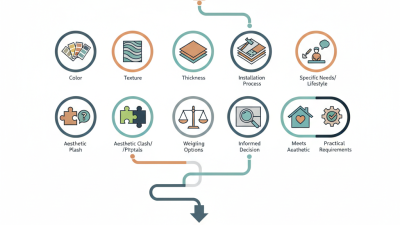
In recent years, HVT's design capabilities have broadened. It now mimics natural materials, giving spaces a fresh look. Yet, despite its advantages, potential buyers must consider their specific needs. Not every space may benefit from HVT's features. Careful evaluation is essential before making a decision.
Definition of Homogeneous Vinyl Tile and Its Composition
Homogeneous vinyl tile is a type of flooring known for its durability and ease of maintenance. The material consists of multiple layers, all made from the same vinyl composition. This homogeneity allows for consistent color and pattern throughout the tile, making it resistant to wear and tear. Often used in commercial spaces, it stands up well to heavy foot traffic.
The composition of homogeneous vinyl tile includes strong PVC resins, plasticizers, and stabilizers. These ingredients give the tile its flexibility and strength. The manufacturing process ensures all layers are fused together, creating a solid piece that won’t chip or crack easily. Additionally, these tiles often feature a protective wear layer, enhancing their resistance to scratches and stains.
However, despite its advantages, some may find the surface can feel cold or hard underfoot. This can be uncomfortable in residential settings. Also, color choices may not appeal to everyone, limiting design potential. While homogeneous vinyl tile is popular for practical reasons, individual preferences often play a significant role in flooring choices. It’s essential to weigh the pros and cons before making a decision.
Key Characteristics of Homogeneous Vinyl Tile
Homogeneous vinyl tile (HVT) is gaining popularity in various settings due to its unique features. This type of flooring is composed of a single layer of vinyl material, resulting in a uniform structure throughout the tile. This quality ensures lasting durability and consistent appearance. Often used in commercial spaces, HVT can withstand heavy foot traffic.
One key characteristic of homogeneous vinyl tile is its ease of maintenance. Unlike other flooring options, HVT doesn’t require waxing. Routine cleaning can be as simple as sweeping and mopping. This makes it an appealing choice for busy environments. Additionally, it is resistant to stains and moisture, which enhances its practicality.
Tips: When considering HVT, think about your space requirements. Assess foot traffic levels to choose the right thickness for durability. Not all vinyl tiles are created equal, so do your homework. Explore different textures and colors that suit your design vision. Remember, the right choice reflects your environment's functionality and aesthetics.
What is Homogeneous Vinyl Tile and Why is it Popular? - Key Characteristics of Homogeneous Vinyl Tile
| Characteristic |
Description |
Benefits |
| Material Composition |
Made from solid vinyl throughout, providing consistency. |
Durable and resistant to wear and tear. |
| Design Versatility |
Available in a wide range of colors and textures. |
Easily complements various interior styles. |
| Maintenance |
Easy to clean and maintain, requiring minimal effort. |
Cost-effective in the long run due to lower maintenance needs. |
| Installation |
Can be glued down or installed as a floating floor. |
Flexible installation options for various applications. |
| Eco-friendliness |
Some brands offer low-VOC options to enhance indoor air quality. |
Promotes a healthier living environment. |
| Water Resistance |
Effective water resistance makes it suitable for moist areas. |
Ideal for bathrooms, kitchens, and commercial spaces. |
Advantages of Homogeneous Vinyl Tile Over Other Flooring Options
Homogeneous vinyl tile (HVT) stands out in the flooring market for several reasons. One significant advantage is its durability. According to industry reports, HVT can last over 20 years when installed and maintained correctly. This longevity makes it a practical option for high-traffic areas, such as schools and hospitals. The wear layer is robust, resisting scratches and stains effectively.
HVT is also easier to maintain than many other flooring types. Regular sweeping and occasional mopping suffice to keep it looking new. Furthermore, it is water-resistant, which is crucial for areas prone to spills.
On an environmental note, many HVT products are manufactured using sustainable practices. They are often low in volatile organic compounds (VOCs), providing a healthier indoor air quality. This aspect is increasingly important for health-conscious consumers and businesses. While the initial investment might be higher than other flooring options, the long-term savings in maintenance and replacement costs justify the choice.
Advantages of Homogeneous Vinyl Tile Over Other Flooring Options
Common Applications and Uses of Homogeneous Vinyl Tile
Homogeneous vinyl tile (HVT) is increasingly finding its way into various spaces due to its versatile nature. Commonly used in commercial settings, this flooring option is durable and easy to maintain. Schools, hospitals, and retail stores frequently choose HVT for its slip-resistant properties. The uniform structure of HVT means that it wears evenly over time, making it cost-effective for high-traffic areas.
Tips: When selecting HVT, consider the color and texture. A darker tone might show less dirt but could make a room feel smaller. Aim for a balance between aesthetics and practicality.
Homeowners are also opting for homogeneous vinyl in basements and kitchens. Its water-resistant features make it suitable for these areas. In addition, the lifespan of HVT, often exceeding 20 years, makes it a smart investment. However, installation should be done carefully to prevent water damage at seams.
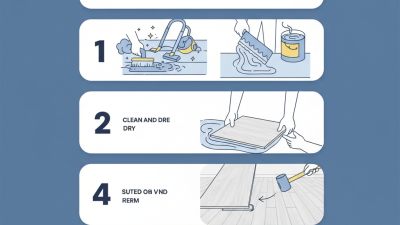
Tips: Always allow the tiles to acclimate to the room temperature before installation. This helps reduce expansion and contraction issues later. Focus on proper subfloor preparation for the best results.
Factors Contributing to the Popularity of Homogeneous Vinyl Tile
Homogeneous vinyl tile (HVT) has gained significant traction in the flooring market. Its seamless design allows for a clean and modern look, appealing to both residential and commercial spaces. The durability is notable; HVT is resistant to scratches and stains, making it suitable for high-traffic areas. According to a report by MarketsandMarkets, the global vinyl flooring market is projected to reach $33 billion by 2027, with homogeneous vinyl tile being a key segment.
One of the major factors behind HVT's popularity is its low maintenance requirements. A study by Flooring Industries found that 80% of building managers prefer materials that are easy to clean and maintain. HVT offers this simplicity, often requiring just regular sweeping and occasional mopping. Another contributing element is its ability to mimic natural materials. Digital printing technology allows manufacturers to create designs that closely resemble wood or stone, meeting aesthetic preferences without the hefty cost.
Cost-effectiveness also plays a crucial role. HVT typically offers lower installation expenses compared to traditional flooring materials. A report from IBISWorld indicates that the average installation cost for vinyl flooring is approximately 20-30% lower than for tile or hardwood options. However, while the initial costs are attractive, long-term performance can vary. It's essential for consumers to weigh these factors carefully. The sustainability aspect is another area needing examination. While HVT is easier on the budget, questions regarding its environmental impact should not be overlooked.