Choosing the right luxury vinyl plank begins with more than color or a convincing wood pattern. In 2026, buyers are comparing SPC, WPC, glue-down, click-lock, and loose-lay LVP products. Each type responds differently to moisture, subfloor movement, foot traffic, and installation conditions. This guide examines leading LVP types and explains realistic Lvp Per Square Foot costs for materials and installation.
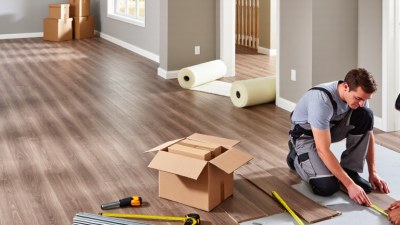
Material prices often range from about $1.50 to $6 per square foot. Installation may add $1.50 to $5 per square foot, depending on preparation and local labor rates. These figures are practical estimates, not fixed promises. A small bathroom may need leveling compound near the toilet flange. A busy hallway may justify a thicker plank and a stronger wear layer. Those details can change the final invoice quickly.
Product specifications matter. Check total thickness, wear-layer rating, locking design, warranty limits, and indoor air certifications. Manufacturer data provides a useful starting point, but it does not replace a site inspection. A subfloor that looks flat can still create hollow spots or clicking sounds. That happened in more than one renovation I have reviewed. Budgeting only for planks is a common mistake. Delivery, underlayment, transitions, furniture removal, and waste can add unexpected costs. A careful comparison should show what each quote includes, where the numbers come from, and which assumptions still need verification.
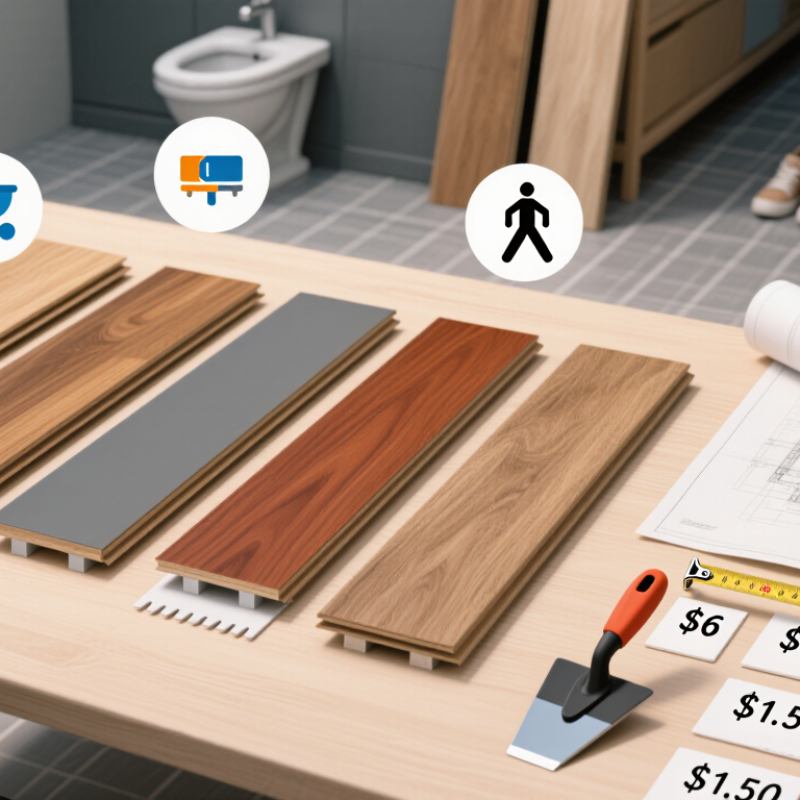
Luxury vinyl plank (LVP) is a resilient flooring product made primarily from PVC, mineral fillers, stabilizers, and printed design layers. Its plank shape imitates timber, while a transparent wear layer protects the image from daily scuffs.
Grand View Research estimated the global luxury vinyl flooring market at about $25.8 billion in 2023.
The same report projects approximately 7.7% annual growth through 2030.
These figures show strong demand, but market estimates differ by definition.
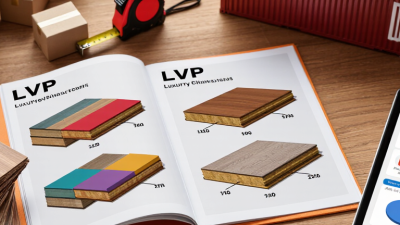
LVP is commonly classified by core construction, installation method, and wear-layer thickness. WPC planks use a wood-plastic composite core and feel softer underfoot. SPC planks use a stone-plastic composite core, offering greater rigidity and dent resistance. Flexible LVP usually has a thinner, bendable body.
Installation categories include glue-down, click-lock floating, and loose-lay formats.
Wear layers often range from 6 to 30 mil, although manufacturers may describe thickness differently.
Check the technical sheet carefully. Classification is not perfectly consistent across suppliers, which can confuse buyers. A thicker plank is not automatically better; subfloor quality, moisture control, and seam design also affect performance.
Cost per square foot depends on these construction choices, installation labor, room preparation, and regional pricing.
Personally, I would treat unusually low quotes cautiously. The missing preparation details may matter more than the plank price.
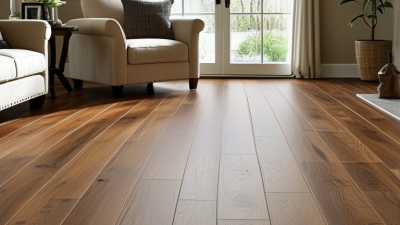
In 2026, luxury vinyl plank flooring mainly comes in three forms: WPC, SPC, and glue-down LVP. Each uses a printed design layer and a protective wear layer, but their cores behave differently. WPC has a softer, more comfortable core. It feels warmer underfoot and helps reduce everyday noise. SPC uses a rigid stone-plastic core. It resists dents well and stays stable across busy areas. However, it can feel harder and less forgiving beneath bare feet.
Glue-down LVP has no thick locking core. Installers bond each plank directly to a properly prepared subfloor. This format works well in commercial rooms, narrow spaces, and areas needing easy plank replacement. It also handles rolling loads better when installation is precise. Loose-lay planks are another practical option. Their heavy backing and friction hold them in place, although uneven floors can expose weak spots. That detail is easy to overlook.
In real projects, the subfloor often matters more than the plank type. I have seen premium-looking flooring fail because moisture testing was skipped or small ridges remained underneath. WPC may suit bedrooms and living rooms, while SPC often fits kitchens, hallways, and rental properties. Glue-down flooring can offer a clean, stable surface, but it demands careful adhesive selection and skilled preparation. Prices vary by thickness, wear-layer rating, installation method, and local labor. A low material price may become expensive after leveling, removal, and repairs. No single type wins every room.
In 2026, luxury vinyl plank costs about $1.50 to $7 per square foot for materials. Installation may add $2 to $5. Regional labor, subfloor repairs, and room shape can change the final quote. These figures are useful, but they are not guarantees.
Material construction strongly affects price. SPC flooring uses a rigid stone-plastic core, which resists dents and handles uneven temperature better. WPC flooring feels warmer and softer underfoot because its wood-plastic core has more flexibility. A thicker wear layer, often measured in mils, improves resistance to scratches and household traffic. However, thicker does not always mean better. A suitable wear layer matters more than impressive packaging claims.
Layers also influence comfort and installation. Attached foam underlayment can reduce foot noise and simplify fitting, while a separate underlayment may offer better moisture control. Embossed surfaces create realistic grain beneath bare feet. Beveled edges add visual depth but can collect dust around kitchen islands. Waterproof cores help protect against spills, yet seams and edges still need careful installation. I have seen attractive floors fail because the subfloor was ignored. That mistake is expensive. Compare samples in daylight, request a written labor breakdown, and check whether trim, disposal, and moisture testing are included. Some estimates look cheaper until those details appear.
Average LVP cost ranges from about $2 to $5 per square foot for materials in 2026. Installation often adds $1.50 to $4 per square foot. Therefore, a realistic installed price usually falls between $3.50 and $9 per square foot.
Basic LVP is typically less expensive than thicker rigid-core or waterproof constructions. Wear-layer thickness, attached underlayment, plank width, and surface texture affect the material price. A 500-square-foot room may cost $1,750 to $4,500 before unusual repairs or upgrades. Prices vary by region and project size.
Small rooms can cost more per square foot. Minimum labor charges matter. Removing old flooring may add $1 to $3 per square foot, while subfloor repairs can raise the bill substantially. Allow 5% to 10% extra material for cuts and future repairs. Stairs, door trimming, and moving heavy furniture also require separate quotes. I have seen estimates look affordable until these details appear. That is where many budgets fail. A written quote should identify material, labor, waste, removal, transitions, and subfloor preparation separately. A low price is not always better if the installer skips moisture checks or leaves uneven flooring underneath. Even careful estimates can miss hidden damage.
Comparing LVP types in 2026 requires more than checking the plank price. Angi’s 2025 Cost Guide places typical LVP installation near $2–$7 per square foot, including materials and labor. Material prices often range from $1–$6 per square foot. Local labor, subfloor repairs, furniture removal, and waste can change the final quote sharply.
Material prices often range from $1–$6 per square foot.
Rigid SPC flooring handles dents and temperature changes well. WPC feels warmer and slightly softer underfoot. Flexible dry-back LVP can cost less, but it demands a very flat, clean subfloor.
Rigid SPC flooring
handles dents and temperature changes well.
WPC
feels warmer and slightly softer underfoot.
Flexible dry-back LVP can cost less, but it demands a very flat, clean subfloor.
Compare thickness, wear-layer rating, locking design, warranty terms, and moisture requirements. A thicker plank is not automatically better. Some expensive products still need costly floor preparation.
Tips:
Request two itemized estimates. Ask whether they include transitions, leveling, delivery, disposal, and ten percent cutting waste.
The National Association of Home Builders recommends discussing moisture control before resilient flooring installation, especially over concrete. HomeAdvisor’s 2024 cost data also shows that removal and preparation may add several dollars per square foot.
That detail is easy to miss. In my experience, the lowest quote often excludes preparation, so it is not truly comparable. Still, every estimate deserves scrutiny; regional labor rates and room complexity can defeat neat national averages.