How to Choose the Best Homogeneous Vinyl Floor for Your Needs?
Choosing the right Homogeneous Vinyl Floor can greatly impact the aesthetic and functionality of your space. According to industry expert John Smith, "A well-chosen floor can transform an environment." This highlights the importance of understanding your specific needs before making a selection.
When considering a Homogeneous Vinyl Floor, factors such as durability, design, and maintenance are essential. Visualizing your space with different textures and colors can help narrow your options. However, many people overlook the practical aspects. Cost is often prioritized over quality, leading to regrets later on.
It's crucial to invest time in research. Touching samples, and asking for professional advice can guide your decision. A seemingly small oversight in the selection process could lead to dissatisfaction. In the end, a thoughtful choice can enhance both the beauty and longevity of your flooring.
Understanding Homogeneous Vinyl Flooring: Key Features and Benefits
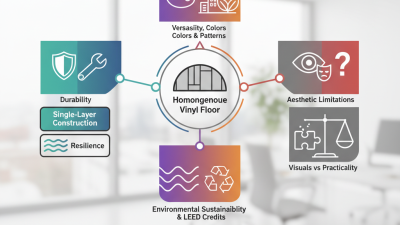
Homogeneous vinyl flooring is known for its durability and versatility. This type of flooring features a single layer of vinyl, which makes it resistant to wear and tear. According to the Resilient Floor Covering Institute, homogeneous vinyl offers a lifespan of 20 to 30 years with proper maintenance. This can be a key factor when considering long-term investment in flooring options.
One major benefit of homogeneous vinyl is its seamless installation. It minimizes dirt accumulation and is easier to clean compared to other flooring types. In healthcare and educational environments, this minimizes the risk of bacteria buildup, promoting a healthier space. Additionally, studies from the Building and Construction Authority indicate that vinyl flooring can reduce sound transmission, enhancing privacy in busy settings.
While homogeneous vinyl has many advantages, it may not be suitable for every application. Its hard surface can be less forgiving on joints for those who stand for long hours, raising concerns for comfort. Also, the color and pattern options may feel limited compared to heterogeneous vinyl. It’s essential to weigh these factors carefully when selecting flooring for specific needs.
Identifying Your Specific Needs and Usage Environments
When selecting the best homogeneous vinyl flooring, it’s crucial to identify your specific needs. Consider where the flooring will be installed. High-traffic areas require durability. Bathrooms and kitchens need water-resistant options. The environment greatly influences your choice.
Tips: Test samples in your space. Observe how colors and textures match your overall decor. The right fit will enhance your home’s atmosphere.
Think about the aesthetics as well. Are you going for a modern look or something more traditional? Color choices can create different vibes. Make sure to choose a shade that coordinates with your existing elements.
Tips: Consider maintenance. Some options require more care than others. Easier maintenance often translates to longer-lasting flooring. Reflect on how much time you’re willing to invest in upkeep. Your lifestyle should dictate the level of maintenance required.
Evaluating Style and Aesthetic Options for Your Space
Choosing the right homogeneous vinyl floor goes beyond just durability; aesthetics play a crucial role. Trends indicate that 60% of homeowners prioritize visual appeal when selecting flooring. This makes understanding style options vital for personal and commercial spaces.
When evaluating style, consider the color palette. Neutral tones offer versatility, while bold colors can serve as statement pieces. Reports show that modern minimalist designs are trending, indicating that simple lines and patterns are favored. However, some may underestimate the impact of texture. Textured surfaces can enhance both the beauty and feel of a space, adding depth to designs that could otherwise seem flat.
It's essential to reflect on personal needs. While a chic look is inviting, practicality must not be ignored. Some styles may show wear and tear more quickly, impacting the long-term appearance. Aesthetic choices should balance looks and functionality, ensuring that the flooring complements the intended use of the space. By considering both elements, you can make a more informed decision that aligns with your aesthetic and functional requirements.
Assessing Durability and Maintenance Requirements
When selecting a homogeneous vinyl floor, durability and maintenance are key factors to consider. According to the Resilient Floor Covering Institute, vinyl flooring can last over 20 years with proper care. This longevity comes down to its composition. Homogeneous vinyl consists of a single layer, making it denser and often more resistant to wear. It's less likely to chip or crack compared to multi-layer options.
However, even the most durable floors can wear down without proper maintenance. Regular cleaning is essential. Use a damp mop and a gentle cleaner. Avoid harsh chemicals that can degrade the surface. Consider also using mats in high-traffic areas to minimize scratches.
Tips:
Always assess your floor's finish. Some finishes require periodic waxing to maintain luster. Ensure you choose a finish that suits your lifestyle. If you have pets or children who track in dirt, a matte finish might be a better choice. Regular maintenance can prevent costly repairs.
Remember that while durability is important, it should align with your specific needs. What works for one space may not suit another. Consider the room’s function and traffic patterns. Reflect on how often the area will be cleaned. Your choices should meet both aesthetic and practical requirements.
Comparing Installation Methods and Cost Factors
When selecting homogeneous vinyl flooring, understanding the installation methods and associated costs is essential. Reports from the Resilient Floor Covering Institute indicate that professional installation can range from $2 to $5 per square foot. This varies significantly depending on the complexity of the project. DIY installation may save money but requires a careful assessment of skill levels. Mistakes can lead to additional expenses down the line.
Consider your space's requirements before choosing an installation method. Certain flooring types, such as glue-down options, may lower initial costs. However, these can require higher maintenance compared to click-lock installations. Choosing the right method can impact not only upfront costs but long-term durability. Floors that are easier to install might also require specific tools, adding to initial investments.
Tips: Always measure your space accurately to avoid overordering. Research different installation techniques to understand the pros and cons of each. Investment in professional advice can save you headaches later. Standard warranties for homogeneous vinyl flooring can often reflect the quality of installation, so don't overlook this aspect. While DIY options seem appealing, professional installation may enhance the longevity of your floor.
Comparison of Installation Methods and Cost Factors for Homogeneous Vinyl Flooring