What is Lvp Per Square Foot and How Does it Impact Your Flooring Choices?
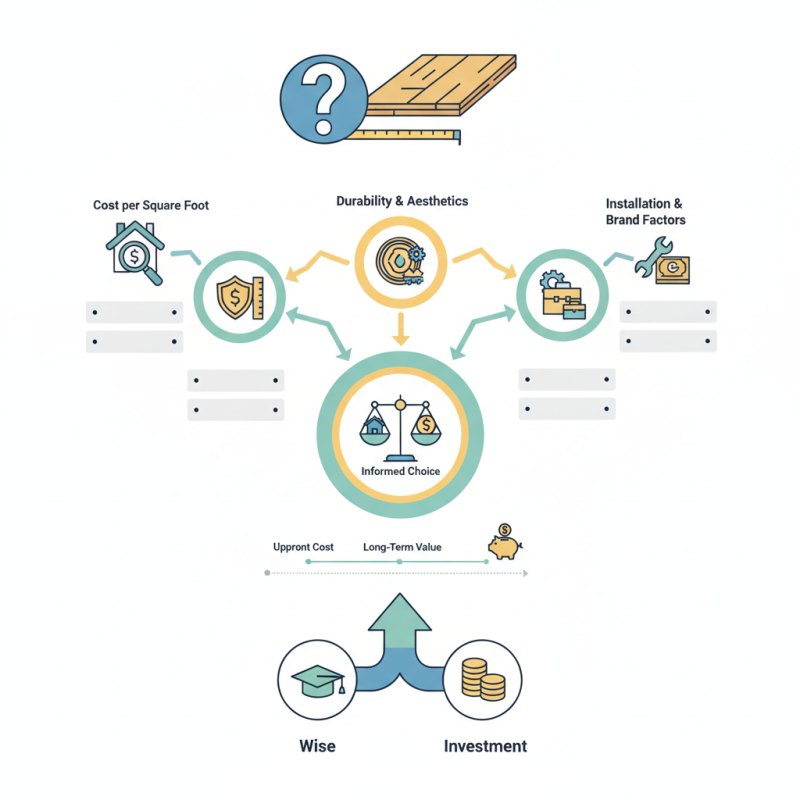
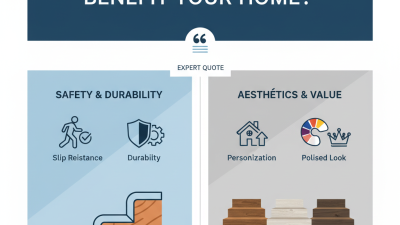
In the world of flooring, understanding "Lvp Per Square Foot" is crucial. This metric plays a significant role in your decisions. According to flooring expert Sarah Mitchell, “Knowing Lvp Per Square Foot helps homeowners make informed choices.”
Luxury vinyl plank (LVP) flooring is popular due to its durability and aesthetic appeal. However, the cost per square foot can vary widely. Factors like brand, quality, and installation expenses come into play. Many consumers overlook these details, leading to budget overruns. LVP provides a stylish alternative to hardwood, but its pricing structure can be confusing.
Choosing the right option requires patience and research. A simple mistake can lead to regrets down the line. Customers often focus on upfront costs, ignoring long-term value. It’s essential to weigh your flooring choices carefully. Ultimately, understanding Lvp Per Square Foot empowers homeowners to invest wisely.
What is LVP and Its Cost Comparison per Square Foot
Luxury Vinyl Plank (LVP) flooring has gained popularity for various reasons, including its cost-effectiveness. Understanding the cost per square foot is essential for making informed decisions. On average, LVP costs between $2 to $7 per square foot. Factors such as thickness, texture, and brand can influence these prices. Choosing thicker planks may cost more initially but can provide increased durability and longevity.
When comparing LVP with other flooring materials, such as hardwood or tile, the savings become clear. Hardwood can range from $5 to $15 per square foot, while tiles can exceed $10. LVP offers a similar aesthetic to these options at a fraction of the price. Homeowners appreciate the easy installation and maintenance that comes with LVP. However, potential buyers should reflect on their lifestyle needs. For example, homes with pets may require more durable options.
While LVP is budget-friendly, there are aspects to consider. Low-quality LVP may not perform well over time, leading to costly repairs down the line. It's vital to research and review products before purchasing. Understanding LVP’s cost per square foot helps in evaluating its value. Make sure to weigh your options carefully to find the best fit for your space.
The Impact of LVP Pricing on Overall Flooring Budget
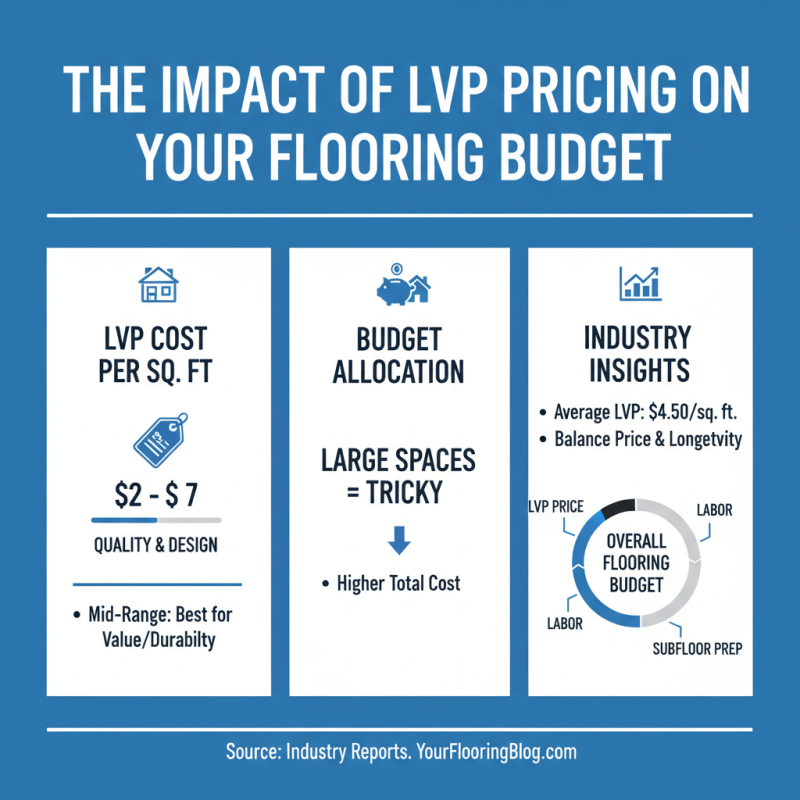
When considering LVP (Luxury Vinyl Plank) flooring, pricing impacts your overall budget significantly. The average cost for LVP can range from $2 to $7 per square foot, depending on the quality and design. According to industry reports, a mid-range option is often the best choice for balancing price and durability. However, budget allocations can become tricky, especially in larger spaces.
To effectively plan your flooring budget, consider hidden costs. Installation fees often add 20% to 30% to your total expenses. Additionally, removal of old flooring can incur extra charges. You might also need to factor in underlayment, which can offer improved insulation and sound proofing. It's essential to review your priorities.
**Tips:** Measure your space accurately before purchasing. This helps prevent waste and ensures optimal use of materials. Always compare different suppliers for the best deals. Don’t underestimate the value of aesthetics; a beautiful floor can enhance your home’s overall appeal. Another tip is to watch for seasonal sales to stretch your budget further. When planning, take time to consider both the short-term and long-term costs of your LVP choice.
Analyzing Installation Costs of LVP vs. Traditional Flooring Options
When contemplating new flooring, understanding the costs associated with Luxury Vinyl Plank (LVP) compared to traditional options is crucial. LVP typically ranges from $2 to $7 per square foot for materials alone. However, when you factor in installation costs, the total can increase significantly. Traditional flooring materials, like hardwood or tile, might seem more appealing but often come with installation prices that can be 50% higher. This disparity can sway your budget and final decision.
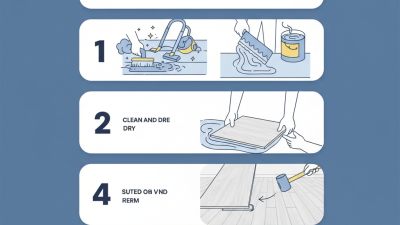
Installation can be straightforward with LVP, which can often be a DIY project. Many homeowners appreciate this ease, but lack of experience can lead to mistakes. Choosing the wrong underlayment or miscalculating measurements can result in added costs. It's vital to weigh the potential for errors when considering LVP. In contrast, hiring professionals for traditional flooring usually ensures a polished finish but adds that layer of expense, which can quickly become overwhelming.
Ultimately, the choice between LVP and traditional flooring should align with your specific needs and financial comfort. Consider long-term durability, aesthetics, and the possibility of repairs. Making an informed decision requires not only understanding the costs but also evaluating the installation process's nuances. Your flooring should reflect both your style and practical considerations.
LVP vs. Traditional Flooring Installation Costs
Durability and Lifespan: Evaluating LVP in Cost-Effectiveness
Luxury Vinyl Plank (LVP) flooring is celebrated for its durability and lifespan. It typically boasts a wear layer thickness of 20 mils or more, with many products lasting over 20 years. This longevity makes LVP a compelling cost-effective choice, even when considering upfront costs. According to industry reports, LVP can save homeowners up to 50% on maintenance costs over a decade compared to traditional hardwood or tile.
In evaluating LVP's cost-effectiveness, durability plays a crucial role. LVP is water-resistant, scratch-resistant, and can withstand heavy foot traffic. These features make it ideal for both residential and commercial spaces. However, some forms of LVP might fade over time under direct sunlight. Awareness of this limitation is essential when selecting materials for sunlit areas.
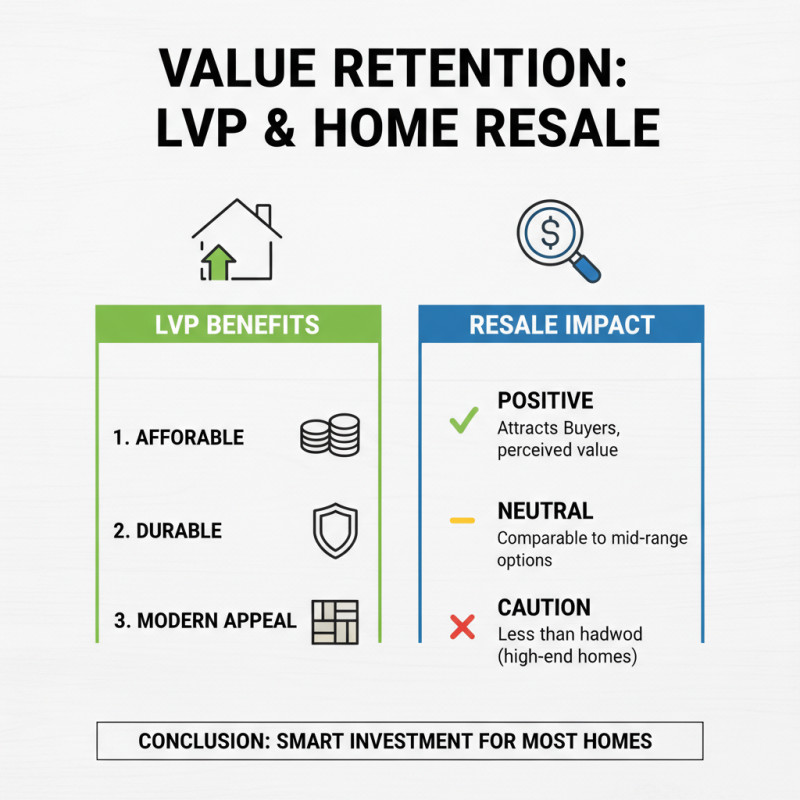
Moreover, installation costs are often lower than those for natural flooring options. Many LVP products feature click-lock systems, which simplify DIY installations. Data from flooring analytics indicate that homes with LVP installed can see an increase in resale value due to its attractive appearance and performance. Careful consideration of these factors helps ensure that LVP becomes a savvy flooring choice.
What is Lvp Per Square Foot and How Does it Impact Your Flooring Choices? - Durability and Lifespan: Evaluating LVP in Cost-Effectiveness
| Feature |
LVP Cost per Square Foot |
Durability (Years) |
Maintenance |
Water Resistance |
| Standard LVP |
$2.50 - $5.00 |
10 - 15 |
Low |
Good |
| Premium LVP |
$5.00 - $7.50 |
15 - 25 |
Medium |
Excellent |
| Luxury LVP |
$7.50 - $10.00 |
25 - 30 |
Low |
Outstanding |