Essential Tips for Choosing Vinyl Floor Carpet in Your Home?
Choosing the right flooring for your home is vital for both aesthetics and functionality. Vinyl Floor Carpet is an increasingly popular choice among homeowners due to its durability and versatility. As industry expert Sarah Thompson states, “A well-chosen Vinyl Floor Carpet can transform a space while offering practicality for everyday living.”
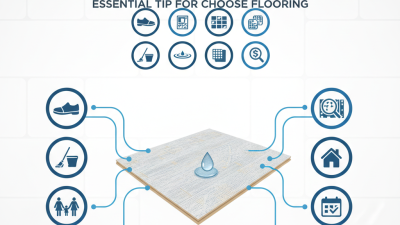
Vinyl Floor Carpet comes in numerous styles, colors, and textures, allowing you to create a personalized ambiance. However, the decision-making process can feel overwhelming. Factors such as moisture resistance, foot traffic, and maintenance must be considered. Each choice carries its own set of advantages and drawbacks, and it’s crucial to reflect on what suits your lifestyle best.
Additionally, quality matters. Not all vinyl products are created equal. Some may fade over time or lose their texture. It’s wise to research different brands and seek advice from flooring experts. Ultimately, your choice in Vinyl Floor Carpet should harmonize with your decor while meeting everyday needs. Balancing aesthetics and practicality can lead to a more satisfying living environment.
Factors to Consider When Selecting Vinyl Floor Carpet for Your Home
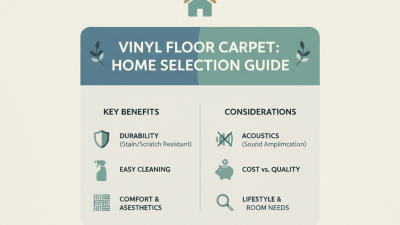
When selecting vinyl floor carpet for your home, consider the material's durability. According to industry reports, high-quality vinyl can last 10-20 years with proper maintenance. This longevity makes it a cost-effective choice. However, not all vinyl is created equal. Check the wear layer thickness. A thicker layer often results in better performance.
Another crucial factor is comfort underfoot. Many homeowners appreciate softer textures for living areas. Reports indicate that cushioned vinyl can enhance comfort, especially for those who stand for long periods.
Additionally, consider the aesthetic appeal. Vinyl comes in various designs and colors. This flexibility allows you to match your decor.
Lastly, think about safety features. Some vinyl options offer slip-resistant surfaces. This is essential, particularly in areas prone to moisture. Industry analysts note that investing in safety can reduce accidents. Reflect on these elements carefully while making your selection.
Understanding Different Types of Vinyl Flooring Materials
When selecting vinyl flooring, understanding the types is crucial. Vinyl flooring typically falls into three categories: sheet vinyl, vinyl tiles, and luxury vinyl planks. Sheet vinyl offers a seamless look and is ideal for moisture-prone areas. It can be easy to install, but you might find patterns harder to match across large spaces.
Vinyl tiles provide versatility and are available in various designs. They mimic the appearance of ceramic or stone. However, ensuring proper subfloor preparation is essential. If not done right, the tiles could lift or crack over time. Meanwhile, luxury vinyl planks feature a realistic wood look. They are durable and water-resistant, suitable for high-traffic areas, but cost more than standard tiles.
Considerations should include texture and maintenance. Each type has its unique surface texture, which affects cleanliness and comfort. Engaging in a little research might help you avoid common pitfalls. This awareness can lead to better decisions. Reflecting on your lifestyle needs can refine your choice further.
Evaluating Durability and Maintenance Requirements of Vinyl Carpets
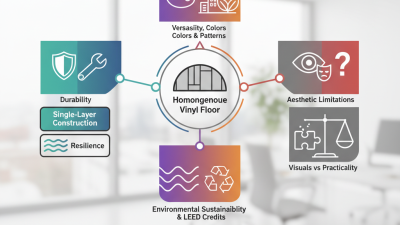
When evaluating durability and maintenance requirements of vinyl carpets, several factors come into play. Vinyl flooring is engineered for resilience, ideal for high-traffic areas. Studies show that up to 95% of vinyl flooring retains its appearance after several years. This is crucial for households with pets or children. The layered structure combats wear and tear effectively.
Maintenance is relatively straightforward. Regular sweeping and occasional mopping will keep it looking new. Reports indicate that vinyl carpets are resistant to stains, making spills less of a concern. However, neglecting to clean can lead to surface buildup. Some users have experienced fading in sunlight, which is worth noting.
Another point to consider is moisture resistance. Most vinyl flooring can withstand humidity without warping. About 85% of homeowners appreciate this feature in bathrooms and kitchens. However, it’s essential to ensure proper installation to maximize these benefits. Improper fitting can lead to issues down the line, such as lifting edges or mildew. Investing time in research and professional installation is crucial for long-term satisfaction.
Choosing the Right Aesthetic: Color, Texture, and Design Options
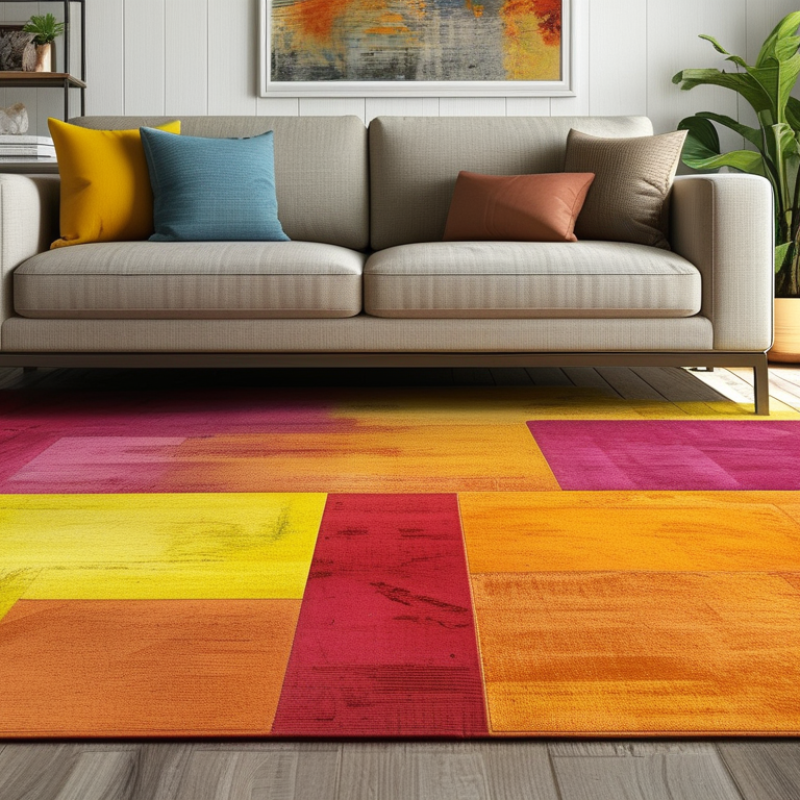
Choosing the right aesthetic for your vinyl floor carpet involves careful consideration of color, texture, and design options. Start by assessing your existing decor. Warm tones can make a room feel cozy, while cooler shades offer a clean, modern look. Don't shy away from bold colors; they can add personality to your space.
Texture also plays a crucial role in your decision. A plush, soft finish can invite comfort, ideal for living areas. On the other hand, smoother textures might be better suited for kitchens or bathrooms. Remember, high foot traffic areas require durable finishes.
Consider the overall design theme. A geometric pattern might fit well in a contemporary setting, while classic floral prints could enhance a traditional home. When in doubt, bring samples home. Observing how different options respond to natural light can help clarify your choices. Trust your instincts, but don't ignore functionality. Balancing aesthetics with practical needs is key to a satisfying selection.
Color Preferences for Vinyl Flooring
Budgeting for Your Vinyl Floor Carpet Installation and Maintenance Costs
When budgeting for your vinyl floor carpet installation, it’s essential to consider both initial and ongoing costs. Installation may vary widely based on room size and complexity. Typically, labor costs add up, especially in challenging spaces. On average, expect to budget for approximately $1 to $3 per square foot for professional installation. Yet, DIY can save money if you have the skills.
Maintenance costs also play a critical role. Vinyl flooring is generally easy to maintain, but you should allocate funds for cleaning supplies. Simple mops and gentle cleaners work wonders. Occasionally, you may need to replace sections if damaged, adding to long-term expenses. Think about these possibilities as you create your budget.
Remember that unexpected expenses can arise. A damaged subfloor or improper measurements can lead to higher costs. Regular inspections can prevent future headaches. Consulting professionals or experienced friends might provide insights you might not have considered. Rethinking your initial budget allows for a smoother installation and ensures long-term satisfaction with your choice.