How to Choose Lifeproof Flooring Vinyl in 2026?
Choosing Lifeproof Flooring Vinyl in 2026 requires more than comparing colors and promotional prices. A realistic decision begins with the room itself. Measure sunlight, moisture, foot traffic, and subfloor condition. A busy kitchen needs strong scratch resistance, while a quiet bedroom may prioritize warmth and softer visuals.
Look closely at the product specifications. Check plank thickness, wear-layer rating, locking system, waterproof warranty, and approved installation methods. “Waterproof” usually describes the plank surface, not every possible installation problem. Uneven concrete, trapped moisture, or careless seams can still create trouble. Verify the manufacturer’s current warranty terms and installation guide before purchasing.
A hands-on sample can reveal details online photographs hide. Drag a chair leg across it gently. Stand beside the sample in daylight. Notice whether the texture feels natural or overly embossed. I have seen attractive floors look different under cool lighting. That small disappointment matters. It is also wise to request samples from several collections and compare their edges, colors, and surface reflections.
Reliable advice should balance professional specifications with everyday experience. Independent test information can help, but marketing claims deserve careful reading. Consider maintenance, repair options, room transitions, and long-term comfort. The cheapest box may not offer the lowest total cost. Installation mistakes can erase an otherwise excellent product choice.
This guide explains how to evaluate Lifeproof Flooring Vinyl for modern homes in 2026. It focuses on practical evidence, not exaggerated promises. Some compromises remain unavoidable. The right floor is the one that fits your space, budget, and expectations.
Understanding Lifeproof Vinyl Flooring and Its 2026 Features
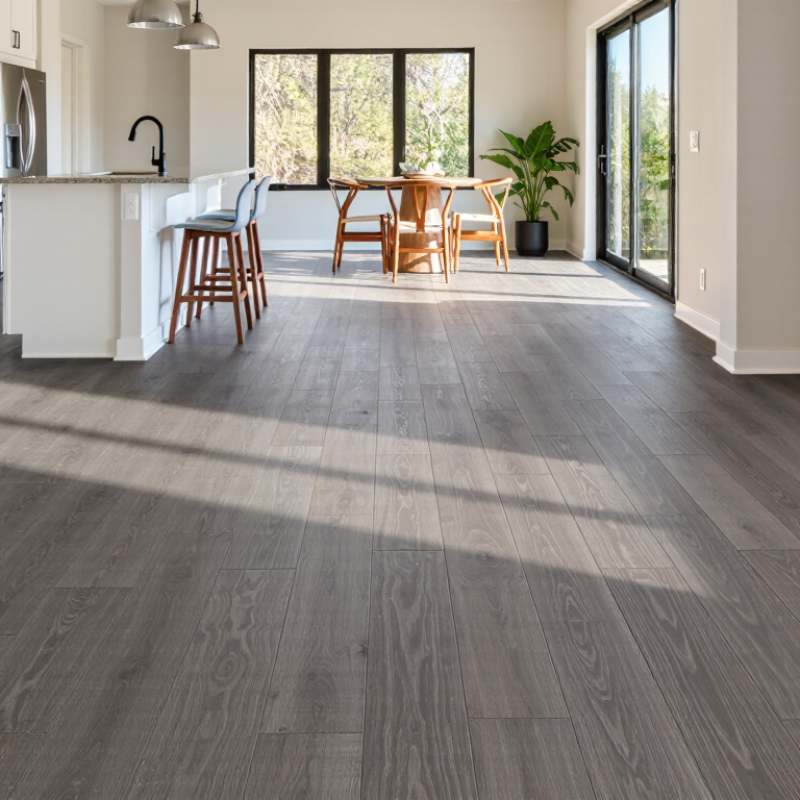
Choosing lifeproof vinyl flooring in 2026 requires more than checking color and price. This flooring category usually combines a waterproof surface, a rigid core, and a printed wood or stone design. The wear layer matters most in busy rooms. A thicker layer can better resist scratches, grit, and chair movement. Still, no vinyl floor is completely damage-proof.
Recent products often include improved acoustic backing, sharper surface textures, and lower-emission materials. Look for technical sheets that identify indoor-air certifications and phthalate-free construction. Do not rely on vague words such as “green” or “healthy.” Reliable sellers should provide installation instructions, warranty limits, and cleaning requirements. Those documents reveal more than showroom lighting.
Measure the subfloor carefully before ordering. It should be dry, stable, and reasonably level. Small bumps may appear through thin planks after installation. I have found that careless floor preparation causes more trouble than ordinary household use. That is easy to underestimate. Check sunlight exposure, room temperature, and heavy furniture placement too. Some 2026 designs use realistic embossed textures, but deep textures can hold dust. Choose a matte finish for a quieter appearance and easier daily maintenance. For kitchens and entryways, sealed edges and correctly fitted transitions remain essential, even with waterproof materials.
How to Choose Lifeproof Flooring Vinyl in 2026?
Understanding Vinyl Flooring and Its 2026 Features
Wear-layer thickness is an important specification when choosing vinyl flooring. The values below show common nominal wear-layer options and their exact metric conversions. A thicker wear layer generally provides more protection against surface wear, but it does not replace checking installation requirements, subfloor preparation, warranty terms, slip resistance, and indoor-air-quality certifications.
Conversion basis: 1 mil equals 0.0254 millimeters. Wear-layer thickness is different from the total thickness of the flooring plank.
Assessing Room Needs, Traffic Levels, and Moisture Exposure
Choosing durable vinyl flooring in 2026 starts with the room, not the color chart. A quiet bedroom may need comfort and warmth underfoot. A busy hallway needs a tough wear layer that resists scratches and dull patches. Kitchens demand stable planks, easy cleaning, and sealed joints around sinks. Measure the space carefully. Small errors can create awkward cuts and waste.
Moisture changes the decision. In bathrooms, laundry rooms, and entryways, choose flooring rated for damp conditions and follow the installation instructions closely. Concrete subfloors should be clean, dry, and level. I have seen attractive flooring fail because moisture testing was skipped. That mistake is easy to overlook. It is also expensive. Check the warranty, but do not treat it as a substitute for proper preparation.
Tips: Walk through the room at its busiest time. Notice wet shoes, rolling chairs, pet nails, and dropped objects. Match the wear layer and surface texture to those daily pressures. Use samples near windows and under artificial light. Some gray tones look cold at night. A textured finish can improve grip, but deep grooves may hold dirt. Consider acoustic underlayment for upper floors, while checking compatibility with the flooring system. When uncertain, ask an experienced installer to inspect the subfloor before ordering materials.
Comparing Lifeproof Plank Types, Textures, Colors, and Sizes
Choosing luxury vinyl flooring in 2026 starts with the room, not the color. Rigid-core planks suit kitchens and hallways because they resist dents and moisture better than flexible options. However, rigid cores can reveal uneven subfloors. Measure the floor carefully, then inspect it with a two-meter straightedge. Any noticeable dips may need leveling before installation. This small step prevents clicking sounds and separated joints later.
Plank construction affects comfort, stability, and repair options. Choose a thicker wear layer for busy homes, pets, or rolling office chairs. Textured surfaces look realistic, but deep embossing can hold grit. Light wire-brushed finishes hide small scratches better than glossy faces. Matte oak tones create warmth, while pale ash tones make narrow rooms feel larger. Dark colors look dramatic. They also show dust quickly. I prefer ordering three samples and viewing them beside cabinets, curtains, and daylight. Store lighting can be misleading.
Size changes the room’s visual rhythm. Long, wide planks reduce seams and suit open layouts. Shorter planks are easier around closets and angled walls. Check each sample at morning, afternoon, and evening. Color can shift dramatically. Read the installation guide for expansion gaps, underlayment rules, and subfloor limits. Do not assume a waterproof surface makes the entire floor flood-proof. In my experience, careless transitions cause more complaints than ordinary wear. I still question texture claims, because “natural” sometimes means harder cleaning.
Checking Installation Methods, Maintenance Needs, and Warranty Terms
Choosing vinyl flooring in 2026 requires more than comparing colors and plank widths. Installation methods, maintenance demands, and warranty terms deserve equal attention.
A click-lock floating floor can suit a clean, level room and allows easier replacement later. Glue-down flooring may feel more stable in large spaces or busy commercial areas. Loose-lay products can simplify small renovations, but they still need accurate measurements. Before installation, check moisture levels and subfloor flatness. A beautiful plank cannot hide an uneven base. Leave the required expansion gap around walls and fixed cabinets. I would not skip this step, even in a small room.
Maintenance should match your daily routine. Wipe spills quickly, especially near sinks and entry doors. Use a soft broom, microfiber mop, and cleaner approved for vinyl surfaces. Avoid abrasive powders and unapproved steam equipment. Felt pads under chair legs can prevent fine scratches. Entrance mats also reduce grit. However, no floor is completely maintenance-free. I once underestimated furniture marks during a room redesign, and that mistake changed my care checklist.
Read every warranty page before purchase. Confirm the coverage period, wear protection, installation requirements, moisture exclusions, and approved cleaning products. Some warranties may exclude damage from poor subfloor preparation or unauthorized repairs. Keep purchase records, product details, and installation photographs. Ask whether coverage differs between residential and commercial use. Also check whether the warranty transfers to a future owner. Clear answers matter more than impressive promises.
Balancing Product Quality, Budget, and Long-Term Value
How to Choose Lifeproof Flooring Vinyl in 2026?
Balancing product quality, budget, and long-term value requires more than comparing box prices. Grand View Research estimated the global vinyl flooring market at about USD 40 billion in 2023, with continued growth expected through 2030. That demand reflects practical benefits, including water resistance, easier maintenance, and faster installation. However, low price does not always mean value. A thin wear layer may show scratches sooner in busy hallways. Check the wear layer, core construction, locking system, and subfloor requirements before purchasing.
I once focused too heavily on color and ignored installation conditions. The planks looked attractive, but uneven flooring created movement underfoot. That was an expensive lesson. Measure the room carefully, then add roughly 10% for cuts and future repairs. Review the warranty, but read its exclusions. Residential coverage may not protect against moisture trapped beneath the floor. The U.S. Environmental Protection Agency also recommends checking indoor-air-quality certifications when selecting building materials. Cleaner air matters, especially in bedrooms.
Tips:
Request two samples. Place them beside a window and under warm lighting. Test their texture with a damp cloth. Compare the full project cost, including underlayment, trims, delivery, preparation, and labor. The 2024 U.S. Houzz & Home Study reported that homeowners continue investing heavily in renovation projects, but budgets remain sensitive to material and labor costs. A slightly better plank may be worthwhile. Still, expensive does not automatically mean durable. Think critically.