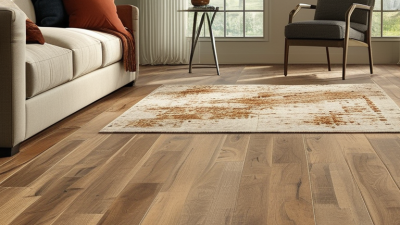
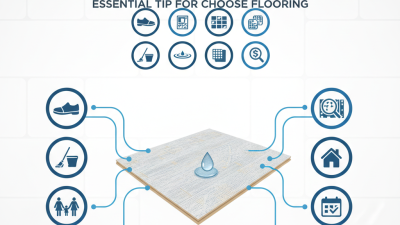
2026 How to Choose the Best Plain PVC Floor Carpet?
Choosing the right flooring can transform a space. Plain PVC floor carpet stands out for its affordability and versatility. According to the Global Market Insights report, the PVC flooring market is projected to reach USD 30 billion by 2026. This growth highlights the popularity of products like plain PVC floor carpets in both residential and commercial settings.
When selecting a plain PVC floor carpet, various factors come into play. Durability is one of the most critical aspects. Many options claim long-lasting quality, but not all deliver. It's essential to consider factors such as wear resistance and maintenance needs. According to a survey by the Flooring Industry Research, 45% of consumers switch products due to durability concerns.
Color, texture, and design should also reflect the intended use of the space. Awareness of potential environmental impacts is vital. Some PVC products may release harmful substances over time. Choosing certified options can mitigate these concerns. Knowledge and careful selection ensure a satisfactory outcome.
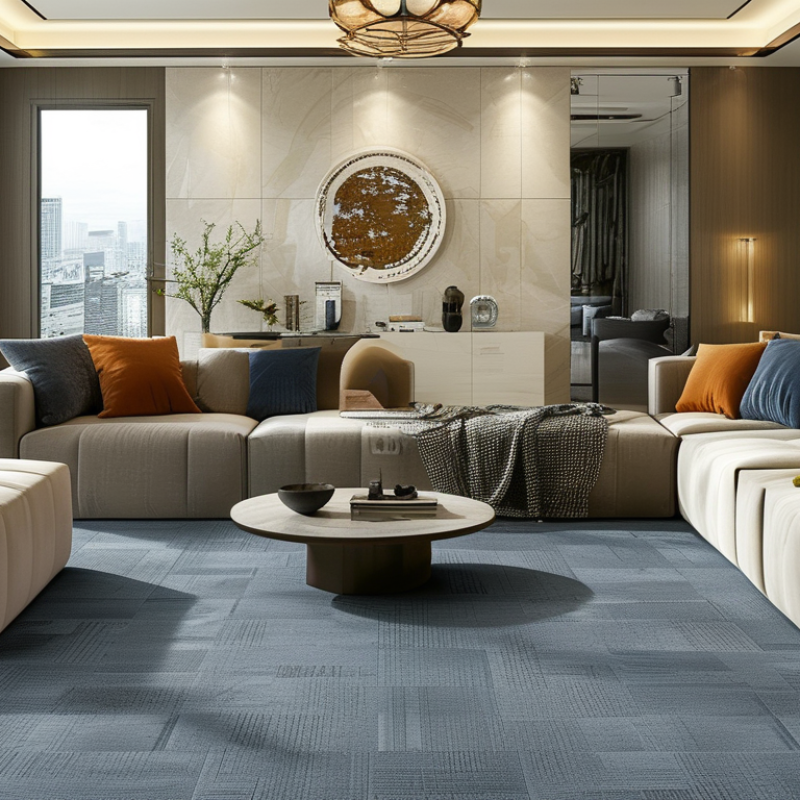
Understanding the Basics of Plain PVC Floor Carpets
When considering plain PVC floor carpets, understanding their fundamental characteristics is crucial. PVC, or polyvinyl chloride, is a synthetic material known for its durability and flexibility. According to industry reports, plain PVC carpets are resistant to water, stains, and scratches, making them ideal for high-traffic areas. Their easy maintenance is another key advantage, as regular cleaning with a damp cloth suffices for most situations.
When choosing a plain PVC carpet, consider the thickness and texture. Thicker carpets tend to provide more cushioning, which enhances comfort. Texture can also affect the overall aesthetic of your space. Research indicates that textures that mimic natural materials can create a warm atmosphere. However, some surfaces may feel slippery after cleaning, which can pose safety risks.
For better decision-making, explore multiple samples in your environment. Visualize how different options pair with existing decor. It’s also helpful to check for warranty details. Some dealers may fail to disclose limitations upfront. Regular assessments of wear and tear will also help you maintain the quality of your carpet over time.
Key Factors to Consider When Choosing PVC Floor Carpets
When selecting the best plain PVC floor carpet, consider various key factors. The durability of the material is vital. PVC carpets are known for their resilience to wear and tear. They can withstand heavy foot traffic and are often resistant to stains. Look for options that can maintain their appearance over time.
The texture and feel underfoot play an important role in your choice. A softer surface can provide comfort, making it pleasant to walk on. It's also worth contemplating the aesthetic appeal. The color and design should align with your interior decor. Neutral tones can offer versatility, while bold colors can make a statement.
Installation and maintenance are often overlooked. Ensure the carpet lays flat without wrinkles. Regular cleaning can prolong its lifespan. However, some PVC carpets require specific cleaning agents. It's crucial to weigh these factors to make the best choice for your space.
Different Types of Plain PVC Floor Carpets Available on the Market
When choosing a plain PVC floor carpet, it’s essential to understand the different types available. Vinyl flooring is a popular option, known for its durability and easy maintenance. There are sheets, tiles, and luxury vinyl planks, each having unique features. Sheets provide a seamless look, while tiles allow for creative patterns. Luxury vinyl planks offer a more realistic wood appearance.
Selecting the right type can be challenging. You must consider the space and its purpose. For high-traffic areas, opt for thicker vinyl. This ensures longevity and resistance to wear. In contrast, residential spaces can utilize thinner options for comfort.
It's crucial to assess the environment too. For wet areas, moisture-resistant PVC carpets work best. These types are ideal for kitchens or bathrooms. Choosing the wrong type can result in damage or mold growth.
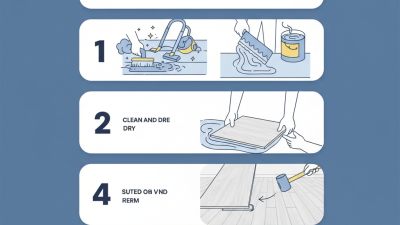
Be mindful of the installation process. Some people may find it straightforward, while others struggle with it. Consider professional help if needed. Your flooring choice should reflect the overall design of your home, ensuring a perfect match for your aesthetic preferences.
Maintenance Tips for Long-Lasting PVC Floor Carpets
Maintaining PVC floor carpets involves regular cleaning and occasional deep care. Studies indicate that proper maintenance can extend the lifespan of PVC materials by up to 30%. Regular sweeping or vacuuming is essential. This removes dirt and debris that can cause scratches and wear.
Using a damp mop with a mild detergent helps maintain the carpet's shine. Be cautious with chemicals. Harsh cleaners may damage the surface. Following manufacturer recommendations is crucial for safeguarding against fading and discoloration. Spot cleaning stains promptly is equally important. Left untreated, stains can become permanent.
Humidity control is also significant. High moisture levels can lead to mold growth. Keeping the area well-ventilated can combat this issue. According to a recent industry report, areas with controlled humidity experience fewer maintenance issues. Lastly, repositioning furniture occasionally prevents uneven wear. This practice helps in maintaining the carpet's appearance. Regular inspections should not be overlooked. They allow early detection of any potential damage.
Evaluating Cost vs. Quality for PVC Floor Carpet Selection
When selecting a plain PVC floor carpet, cost versus quality becomes crucial. Industry reports reveal that the average cost of quality PVC flooring ranges from $3 to $7 per square foot. This pricing can greatly impact your budget, but investing in higher quality can result in longer durability. Poor quality carpets may show signs of wear and tear within a few months, resulting in additional expenses for replacements.
Quality does not only relate to pricing. Consider the composition of the PVC. High-quality PVC carpets often have better UV resistance and less volatile organic compounds (VOCs). A study by the Green Building Council highlights that choosing lower VOC products can improve indoor air quality by over 30%. However, not all affordable options compromise on quality. Some manufacturers use innovative technologies to produce cost-effective yet durable products.
It's essential to evaluate your specific needs. Cost-effective solutions may be tempting, yet they might lack the sturdiness required for heavy traffic areas. Balancing your budget while ensuring the material meets your expectations for durability requires careful consideration. Look for materials that offer a good warranty period, which often indicates confidence in the product's longevity and performance.
2026 PVC Floor Carpet Quality vs. Cost Evaluation