China Top Vinyl Floor Carpet for Global Buyers?
In recent years, the global market for Vinyl Floor Carpet has witnessed significant growth. As consumers prioritize durability and aesthetics, the demand for quality vinyl materials has surged. Industry expert, David Green, once noted, "Choosing the right vinyl carpet can transform any space." His insights highlight the importance of selecting the perfect product for functionality and design.
The evolution of vinyl technology has led to innovative designs and textures. Today’s vinyl floor carpets mimic natural materials closely, appealing to diverse consumer preferences. However, potential buyers must consider factors such as maintenance and environmental impact. Not all products are created equal, and it’s crucial to research reliable suppliers.
As China emerges as a leading manufacturer, global buyers seek out the best options. The challenge lies in navigating this vast market while ensuring quality and sustainability. Understanding these dynamics plays a key role in making informed decisions about Vinyl Floor Carpet.
Understanding Vinyl Flooring: Types and Features
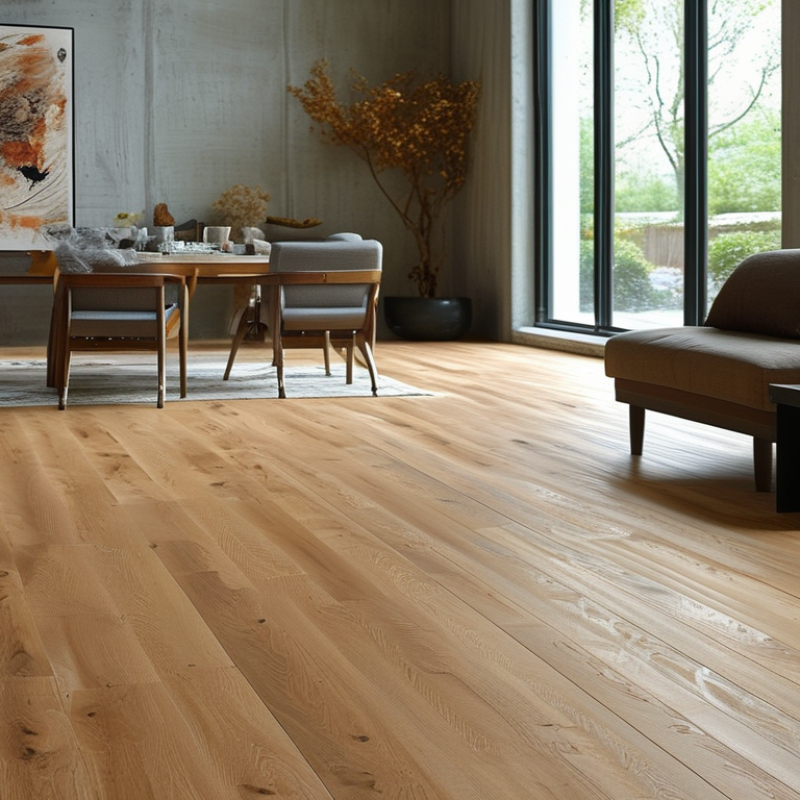
Vinyl flooring has become a popular choice for many homeowners and businesses worldwide. It offers a variety of types and features that cater to different needs. From luxury vinyl tiles to sheet vinyl, the options are extensive. Each type provides unique benefits such as water resistance and durability, making it suitable for various environments. Luxury vinyl tiles often mimic natural materials, bringing elegance to any space.
When considering vinyl flooring, it's vital to understand the different specifications. Some vinyl options are thicker, which often translates to better sound insulation. Others may focus on being lighter, making installation simpler. Think about where you will install the flooring. High-traffic areas require more resilient materials.
**Tips:** Always test a sample before making a decision. This helps to identify any unpleasant smells or discomfort. Consider the maintenance requirements as well. Some vinyl floors require regular cleaning and sealing, while others do not. Reflect on your lifestyle and usage patterns to ensure you choose the right type.
Global Vinyl Flooring Market Share by Type (2023)
This chart illustrates the market share of different types of vinyl flooring in 2023. Luxury Vinyl Tile (LVT) holds the largest share at 45%, followed by Vinyl Sheet at 30%, Vinyl Plank at 15%, and Vinyl Composite Tile at 10%. Understanding these types can help global buyers make informed decisions in their purchasing processes.
The Rise of Vinyl Flooring Market in China
The vinyl flooring market in China has witnessed remarkable growth in recent years. Various factors contribute to this trend, including urbanization and a rising middle class. Homeowners seek durable and cost-effective flooring solutions. Vinyl flooring meets these needs with its affordability and versatility. It suits different styles, from modern to traditional.
Manufacturers in China are innovating continuously. They focus on enhancing the quality and design of vinyl products. Recent designs mimic natural materials, like wood and stone. This appeal makes vinyl an attractive choice for global buyers.
However, environmental concerns are rising. The production processes sometimes lack sustainability and transparency. Buyers must be conscious of these issues and seek responsible options.
Despite the achievements, there are challenges ahead. The market is becoming saturated with options. Distinguishing genuine quality from inferior products is harder for consumers. Market fluctuations are another concern for manufacturers. They must adapt to maintain competitiveness.
Overall, the vinyl flooring industry in China shows great potential, yet it requires careful navigation for both producers and customers.
Top Chinese Manufacturers for Vinyl Floor Carpets
When discussing the top Chinese manufacturers of vinyl floor carpets, it's essential to understand their role in the global market. China has become a significant player in this industry thanks to its robust manufacturing capabilities and innovative designs. Many factories utilize advanced technology to create high-quality vinyl flooring that meets international standards. The colors and patterns available are diverse, appealing to various consumer preferences.
However, not every manufacturer provides the same level of quality and reliability. Sourcing from China can be challenging. Some manufacturers may prioritize cost over quality. This can lead to discrepancies in product standards. Buyers should conduct thorough research before making commitments. Visiting factories or requesting samples can help validate the manufacturer's claims.
The sustainability of materials is also a crucial factor. While many Chinese companies are making strides in eco-friendly production, some still rely on harmful chemicals. Buyers must ask the right questions to ensure they are choosing ethically produced products. Overall, the landscape of vinyl floor carpets in China is rich and varied. The need for educated and cautious sourcing has never been more important.
China Top Vinyl Floor Carpet for Global Buyers
| Manufacturer Location |
Production Capacity (m²/year) |
Main Materials |
Export Markets |
Certifications |
| Shandong |
5,000,000 |
PVC, EVA |
Europe, America, Asia |
ISO 9001, CE |
| Guangdong |
4,200,000 |
PVC |
Middle East, Africa |
SGS, REACH |
| Zhejiang |
3,800,000 |
PET, PVC |
North America, South America |
ISO 14001, ASTM |
| Fujian |
2,500,000 |
PE, PVC |
Australia, New Zealand |
BSCI, Green Label |
Key Export Markets for Chinese Vinyl Flooring
China has emerged as a leading exporter of vinyl flooring, with key markets extending across the globe. The Asia-Pacific region is significant, driven by increased urbanization and infrastructure projects. Reports indicate that the vinyl flooring market in this area is projected to grow by over 10% annually through 2025. Countries such as India and Southeast Asian nations are turning to vinyl due to its cost-effectiveness and durability.
Europe represents another vital market. The European vinyl flooring sector has shown resilience, with a growth rate of approximately 6% per year. Technological advancements have enabled manufacturers to produce environmentally friendly options. However, challenges such as stringent regulations and competition from the laminate flooring sector persist.
The demand in the U.S. remains steady, fueled by new housing projects. Despite concerns over sustainability, vinyl flooring continues to be favored for its versatility. Nevertheless, the fluctuating raw material prices impact production costs significantly. Manufacturers face pressure to optimize processes and maintain quality.
Industry experts emphasize the need for continuous innovation and adherence to environmental standards. This is essential for sustaining growth and meeting the evolving requirements of global buyers. Understanding these dynamics is crucial for stakeholders involved in the vinyl flooring trade.
Quality Standards and Certifications in Vinyl Flooring Industry
The vinyl flooring industry has witnessed substantial growth in recent years. According to recent market reports, the global vinyl flooring market is projected to reach $100 billion by 2025, showing a robust compound annual growth rate (CAGR) of over 6%. This growth is driven by increasing demand for durable and cost-effective flooring solutions.
Quality certifications are critical in this highly competitive market. Standards such as ISO 9001 ensure manufacturers meet international quality management criteria. Meanwhile, certifications like CE mark in Europe guarantee compliance with health, safety, and environmental protection standards. It is important for buyers to understand these certifications to ensure they purchase safe and reliable products.
However, the industry still faces challenges. Not all manufacturers consistently adhere to these standards. This inconsistency can lead to significant variability in product quality. Buyers should be cautious and perform due diligence. Engaging with suppliers who openly share their certifications can help mitigate risks associated with inferior products. In a rapidly evolving market, the focus on quality and standards remains paramount for both buyers and manufacturers.